|
At a Glance
- How hands-on activities help participants experience the impact of speeding for themselves
- How the Fatal Speeding™ Program Kit adds an interactive lesson to your curriculum
- How experiencing consequences firsthand makes speeding prevention messages stick
- How to build a speeding prevention education program students remember
|
In this blog, we’ll look at hands-on activities that can strengthen your speeding prevention education program and help participants understand the real risks of speeding.
Speeding prevention is most effective when participants can experience the impact of speed for themselves, not just hear about it. Incorporating hands-on activities into your speeding prevention education program can help students better understand and retain the message that speed increases risk on the road. The Fatal Vision® lineup of speeding prevention tools was designed to actively engage participants through hands-on activities and interactive demonstrations, giving educators practical ways to show how speed affects reaction time and stopping distance in a safe learning environment. Let’s take a look at some of the hands-on activities you can use to strengthen your speeding prevention education program.
Why Hands-On Learning Works in a Speeding Prevention Education Program
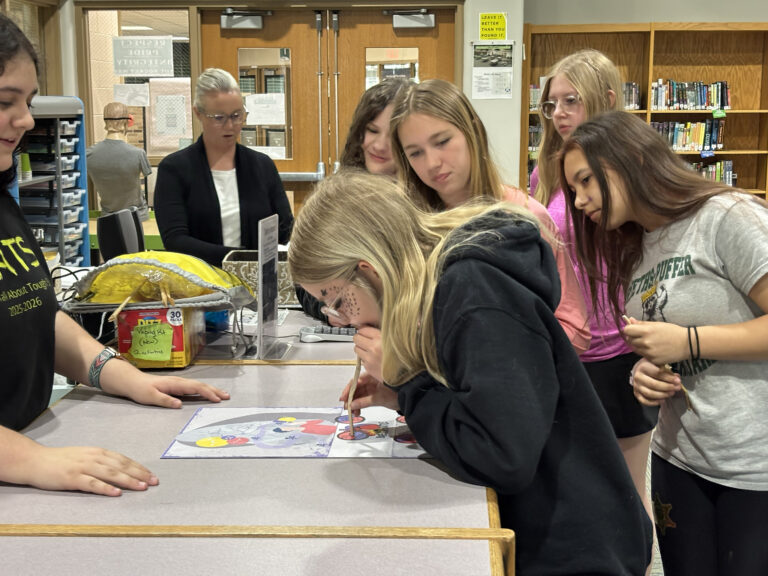
When it comes to speeding prevention, telling participants that driving too fast is dangerous is one thing. Letting them experience what speed actually does to their reaction time and stopping distance is something else entirely. Hands-on activities create moments of personal discovery and participation that lectures alone cannot provide. When students interact with a speeding activity and see for themselves how much harder it is to react at higher speeds, the lesson becomes personal and far more memorable.
These interactive tools are designed to help participants understand how speed affects reaction time and stopping distance, reinforcing prevention messages in a memorable way.
The Fatal Speeding™ Program Kit: An Interactive Way to Add to Your Curriculum, Lessons, or Safety Events
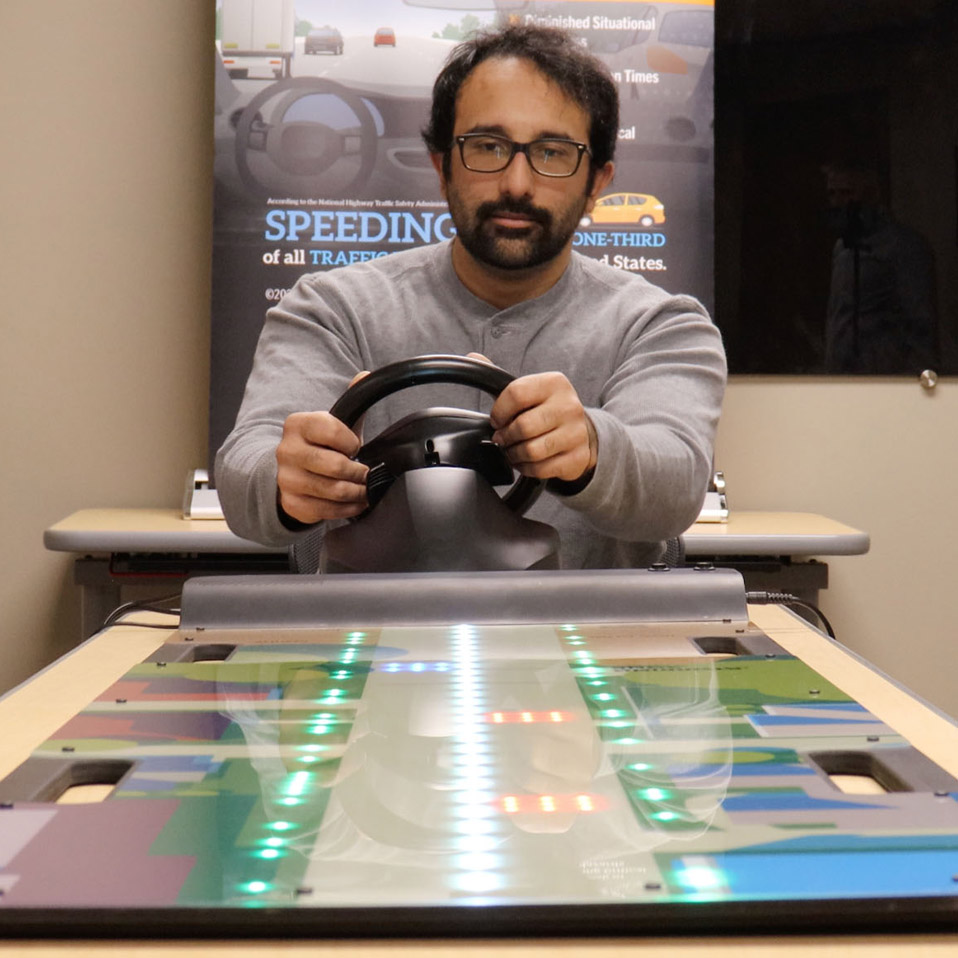
The Fatal Speeding™ Program Kit is a hands-on program kit that educators can use to support safe driving programs and spark discussions about the risks of speeding. The speeding simulator allows participants to experience the difference in reaction times at slower speeds versus higher, more dangerous speeds.
By using this demonstration, students are able to interact and learn in real time, making concepts like stopping distance and reaction time more concrete and understandable. Participants can see for themselves how speed changes the equation, and how even a small increase in speed can dramatically reduce the time available to react to a hazard. This type of hands-on activity is an effective addition to any speeding prevention education program because it allows students to engage with the material rather than just hear about it.
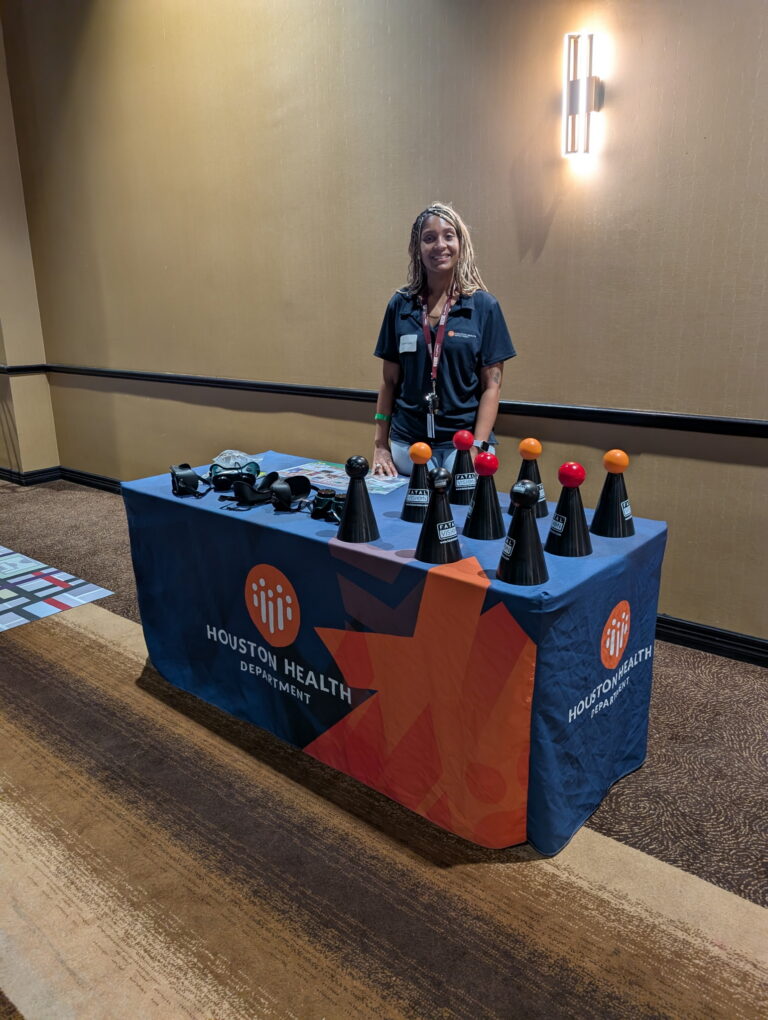
The Fatal Speeding Program Kit is part of the growing lineup of Fatal Vision Speeding Awareness Tools. These tools are designed to complement existing curriculum and give educators an interactive way to demonstrate the consequences of speeding in a safe learning environment.
Using Reduce Teen Crashes to Extend Speeding Prevention Education
Programs like Reduce Teen Crashes can help reinforce safe driving messages by encouraging teens to participate in traffic safety activities in their schools and communities. Pairing digital engagement programs like Reduce Teen Crashes with hands-on tools such as the Fatal Speeding Program Kit can help strengthen speeding prevention education and keep the conversation going beyond a single lesson.
Visual Reminders: How Banners and Posters Keep the Message Going After the Lesson
A hands-on activity can create a powerful moment of engagement and learning, but reinforcing that message over time is what helps it last. Fatal Vision offers Fatal Speeding Banners and Posters that can be displayed in schools, community centers, and other learning environments to ensure the speeding prevention message is repeated and retained.
To reinforce the message in schools and community centers, consider hanging banners or posters to remind new drivers what safe driving looks like. These visual reminders serve as ongoing touchpoints that keep the conversation going long after the lesson ends.
Tips for Integrating Hands-On Speeding Prevention Activities into Your Program
Adding speeding prevention education program activities to your existing curriculum doesn’t have to mean starting from scratch. These tools are designed to supplement what you’re already doing.
Position engagement tools at the start of your lesson. Use the Fatal Speeding Program Kit or another learning activities to capture attention at the beginning of a program or curriculum. Creating that opening first gives educators something meaningful to build on throughout the rest of the lesson.
Connect the experience to content. After a speeding demonstration, don’t just move on. Discuss what happened. Link the experience to information about how speed affects reaction time, stopping distance, and crash severity. Help participants understand the connection between what they saw and why slowing down on the road matters. Using facts and statistics, like resources from the CDC on teens and driving, can also help students understand the risks and consequences of driving too fast.
Another tip is to consider combining speeding prevention with other safe driving topics. A comprehensive safe driving education program can include activities around impairment, distracted driving, drowsy driving, and speeding. By combining these educational activities, students can learn and retain information about safe driving skills and apply them when real-world decisions matter.
Creating a speeding prevention education program that includes interactive activities can make a lasting impact on students. Helping students experience and understand the dangers and consequences of speeding can encourage safer decisions behind the wheel. By combining multiple speeding prevention activities, students can learn and retain information about safe driving skills and apply them when real-world decisions matter.
Ready to add Fatal Vision tools to your speeding prevention education program? Shop our products or reach out to the Fatal Vision team.