|
At a Glance
- How a safety driving simulator strengthens prevention programming for young drivers
- How educators use SIDNE to demonstrate impaired and distracted driving in a controlled setting
- How the compact Roadster Pedal Kart delivers hands-on driving simulation at events of any size
- How speeding education tools round out a simulator based prevention program
|
Building a Safety Driving Simulator Experience That Resonates With New Drivers
When it comes to preparing young drivers for today’s driving challenges, Fatal Vision’s safety driving simulator can be one of the most impactful tools educators add to their prevention programming. A well-chosen safety driving simulator provides engaging, hands-on experiences that help participants connect safe driving messages with everyday decision-making behind the wheel. At Fatal Vision by Innocorp, our simulation tools are designed to support and complement the messages educators, law enforcement, and safety professionals are already sharing with their communities through active participation, guided discussion, and experiential learning.
In this post, we’ll explore how interactive vehicles and speeding-focused activities can support prevention efforts through engaging, hands-on experiences, with a closer look at SIDNE, the Roadster Pedal Kart, and Fatal Vision speeding tools.
Why a Safety Driving Simulator Belongs in Your Prevention Toolkit
Driving safety education is strengthened when participants actively engage with important concepts through hands-on experiences that support safe decision-making. A safety driving simulator provides participants with engaging opportunities to explore how impairment, distraction, and speeding can influence driving performance through hands-on experiences and guided discussions.
- Engaging: Participants step into the driver’s seat instead of watching from a distance
- Eye-Opening: Hands-on experiences encourage meaningful conversations about how everyday driving choices can impact safety
- Meaningful: The experience supports the important safe driving messages your program is already delivering
- Practical: Activities help participants connect prevention messages with everyday driving decisions through active participation and instructor-led discussion.
These tools provide educators with engaging, hands-on experiences that encourage participation and support meaningful conversations about safe driving behaviors.
SIDNE: A Cornerstone of Interactive Driving Simulation
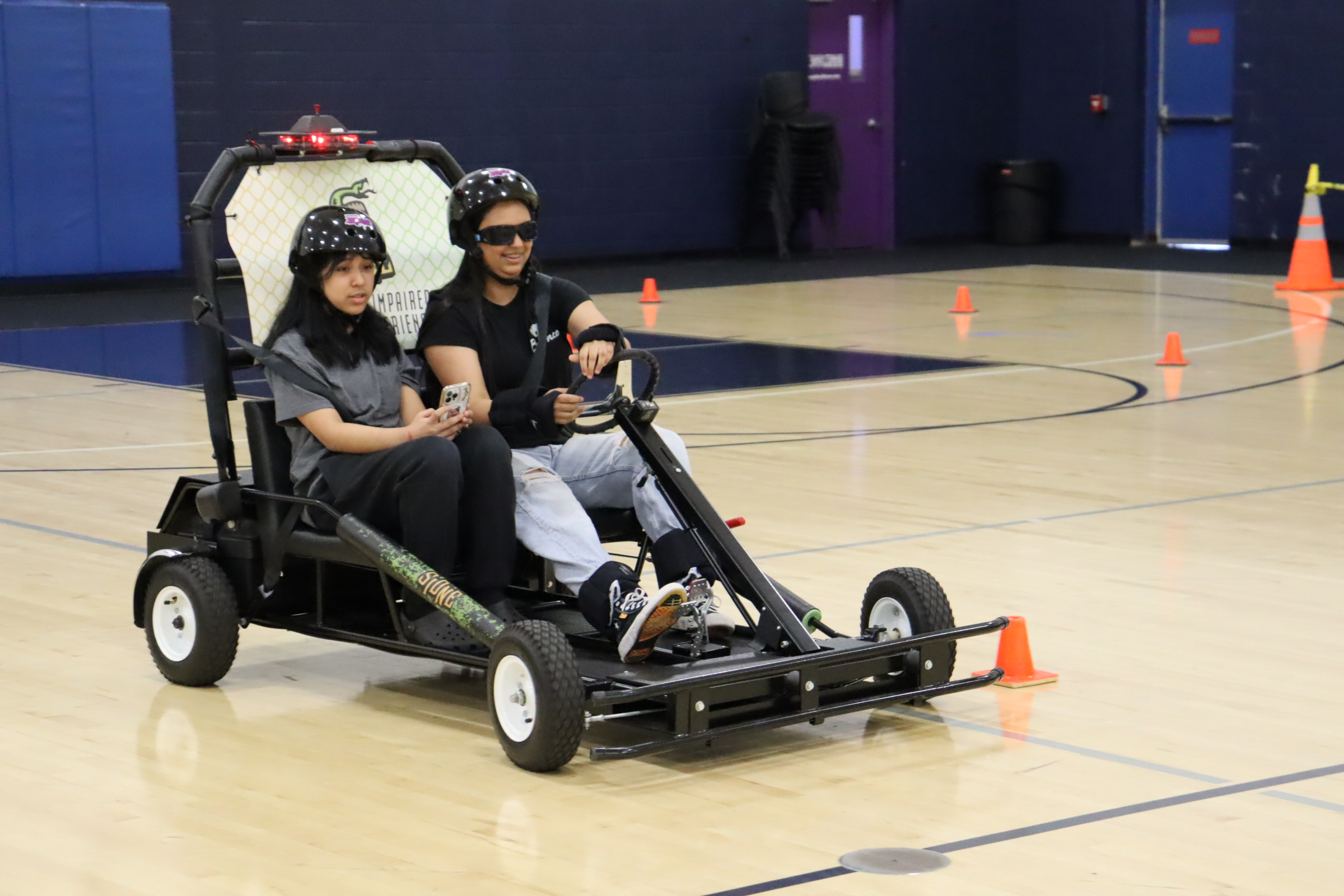
The Simulated Impaired Driving Experience, better known as SIDNE, is a battery-powered vehicle that lets participants drive through a course in a normal mode and then switch to an impaired mode. With the flip of a switch, the steering and throttle response are delayed, mimicking the slowed reactions of an impaired driver.
How Educators Use SIDNE
SIDNE is often set up in a parking lot, gymnasium, or open space with traffic cones marking a driving course. Participants navigate the course twice, once in normal mode and once in impaired mode, creating a powerful comparison that encourages discussion about how impairment affects driving performance and decision-making.
- Demonstration of delayed reaction: Drivers experience how impairment affects steering and braking
- Conversation-sparking moments: The experience creates opportunities for educators to facilitate discussions about the importance of making safe choices behind the wheel
- Group involvement: Observers learn alongside the driver, making it an interactive experience for the whole audience
SIDNE pairs naturally with Fatal Vision Goggles, providing additional opportunities for participants to explore how impairment can influence reaction time and driving performance.
Roadster Pedal Kart: A Compact, Hands-On Driving Simulation
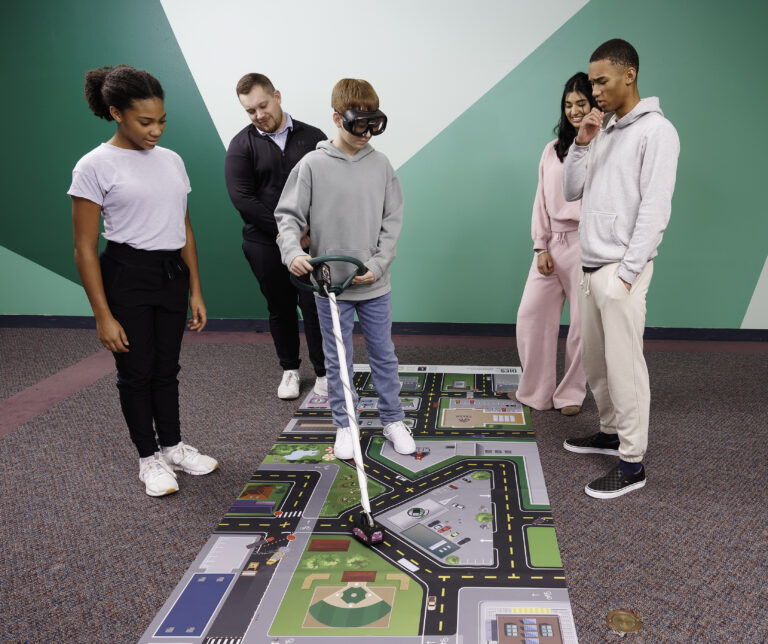
The Roadster Pedal Kart offers a different style of safety driving simulator experience. This human-powered kart is steered and pedaled by the participant, making it accessible for a wide range of ages and program settings. When combined with Fatal Vision Goggles, the Roadster becomes an engaging, hands-on learning experience that encourages participants to apply safe driving concepts through active participation and instructor-led discussion.
What Makes the Roadster Effective
Because the Roadster is pedal-powered, it can be used safely in classrooms, gyms, hallways, parking lots, and outdoor events. Educators can set up a simple driving course and rotate participants through to give everyone a turn.
- Portable setup: Easy to transport to schools, community events, and health fairs
- Hands-on engagement: Participants steer and pedal while wearing impairment or distraction goggles
- Approachable scale: The smaller format keeps the focus on the experience and discussion
- Versatile use: Works for impairment, distraction, and reaction-time activities and can be incorporated into Alcohol, THC, Opioid, Polydrug, Distracted Driving, and Drowsy Driving educational programs.
The Roadster Pedal Kart is a strong fit for programs that need flexibility and the ability to reach larger groups in shorter sessions.
Speeding Tools That Strengthen Your Safety Driving Simulator Program
Speeding is one of the leading factors in crashes involving young drivers, yet it can be one of the harder topics to make tangible. Fatal Vision offers speeding-focused activities that help participants visualize stopping distance, reaction time, and the cumulative impact of small increases in speed.
The Fatal Vision Speeding Educational Activity
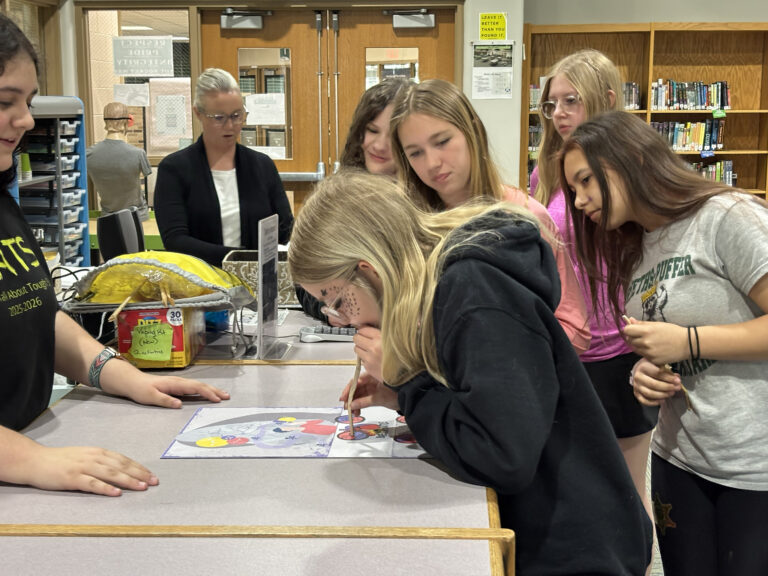
This hands-on activity helps educators demonstrate how speed affects stopping distance and the time available to react to hazards. Through guided demonstrations, participants can visualize how speed affects stopping distance and reaction time, supporting meaningful discussions about safe driving choices.
- Visualizing stopping distance: Participants see how quickly distances grow as speed increases (leading factors in crashes)
- Reaction-time conversations: The activity opens discussions about perception and response
- Supporting safe driving discussions: Pairs with classroom lessons on safe following distance and speed limits (Fatal Vision Speeding Prevention)
- Adaptable format: Works in classrooms, driver education courses, and community presentations, and as part of larger prevention events with multiple learning stations.
When combined with SIDNE or the Roadster Pedal Kart, the speeding activity rounds out a safety driving simulator station that addresses impairment, distraction, and speed together.
Putting It All Together: Designing a Hands-On Station
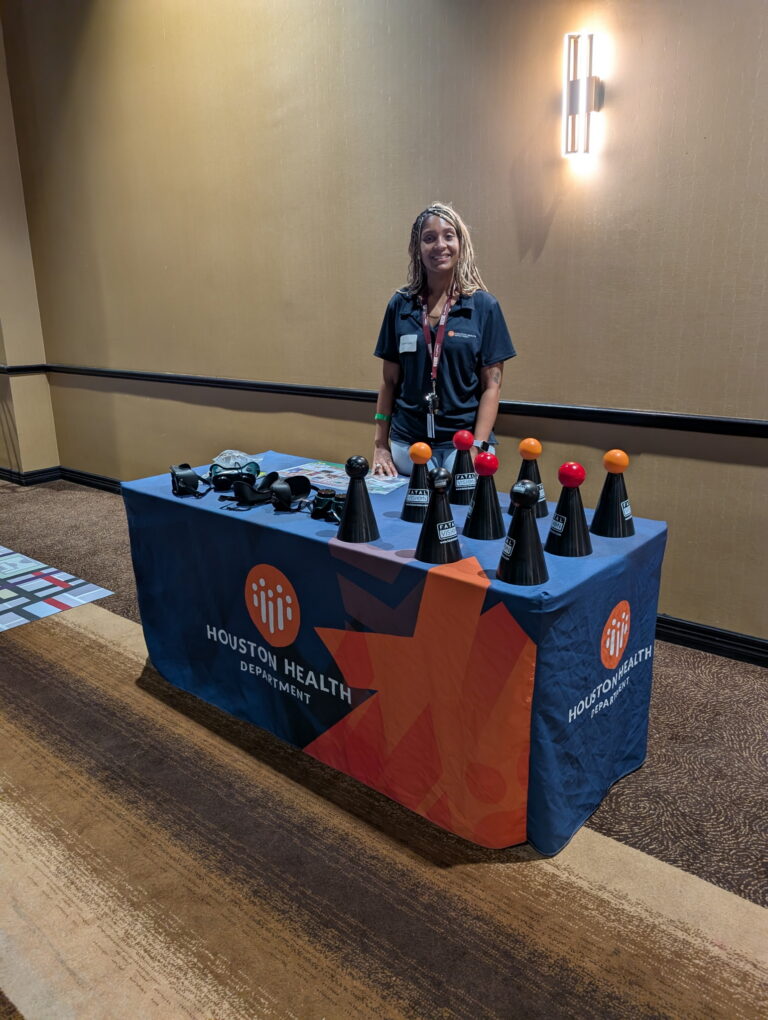
Many educators create interactive learning stations that allow participants to rotate through different hands-on experiences. A safety driving simulator station might include SIDNE on an impaired driving course, the Roadster Pedal Kart on a distraction or drowsy driving course, along with additional tabletop, floor, or instructor-led activities that reinforce key prevention messages about speeding, impairment, distraction, and other driving risks.
These stations can be customized to support a variety of traffic safety topics, depending on your audience and program objectives.
Tips for a Smooth Setup
A little planning goes a long way in making your event run smoothly and keeping participants engaged from start to finish.
- Plan your space: Confirm you have room for driving courses, activity stations, instructors, and observers.
- Brief your team: Educators should know how each tool works before participants arrive
- Build in discussion time: Reserve a few minutes after each rotation for reflection
- Coordinate messaging: Make sure each station supports the objectives of your existing prevention efforts and reinforces the same key safety messages throughout the program.
Innocorp also offers on-site training to help your team confidently facilitate activities and maximize participant engagement.
Supporting Educators, Not Replacing Programs
Fatal Vision tools are designed to provide engaging, hands-on experiences that complement the prevention programs you already run. A safety driving simulator creates meaningful, hands-on learning experiences that encourage participants to reflect on their decisions and continue the conversation long after the program ends. Educators bring the curriculum, the context, and the follow-up conversations. Our products provide experiential learning opportunities that encourage active participation and meaningful discussions.
Who Benefits From These Tools
Safety driving simulator activities are used in a wide range of settings to reach drivers at different stages of their experience.
- High school driver education programs introducing new drivers to risk factors
- Law enforcement community outreach connecting with youth and families
- Traffic safety coalitions hosting community events and health fairs
- College and university health offices promoting safe driving awareness and decision-making
- Military and workplace safety programs addressing fatigue, impairment, and distraction
Bringing the Experience to Your Community
A safety driving simulator program built around SIDNE, the Roadster Pedal Kart, and Fatal Vision speeding tools gives educators a flexible, engaging, hands-on way to bring prevention messages to life. Each tool engages participants differently, providing multiple opportunities for active participation, skill-building, and meaningful discussions that support safer driving decisions.
Whether you’re building a new program or adding experiential learning to one you’ve already established, Fatal Vision tools are designed to meet you where you are. Ready to bring these experiences to your community? Request a quote and we’ll help you find the right kit for your audience, your setting, and your goals.