|
At a Glance
- How a Houston Health Department community liaison reaches at-risk youth in underserved communities and last chance classrooms
- How the Fatal Vision® THC and Opioid Kits turn difficult substance conversations into hands-on experiences
- How bringing law enforcement into the activities builds trust and honest dialogue with students
- How community events and parent outreach extend prevention beyond the classroom
|
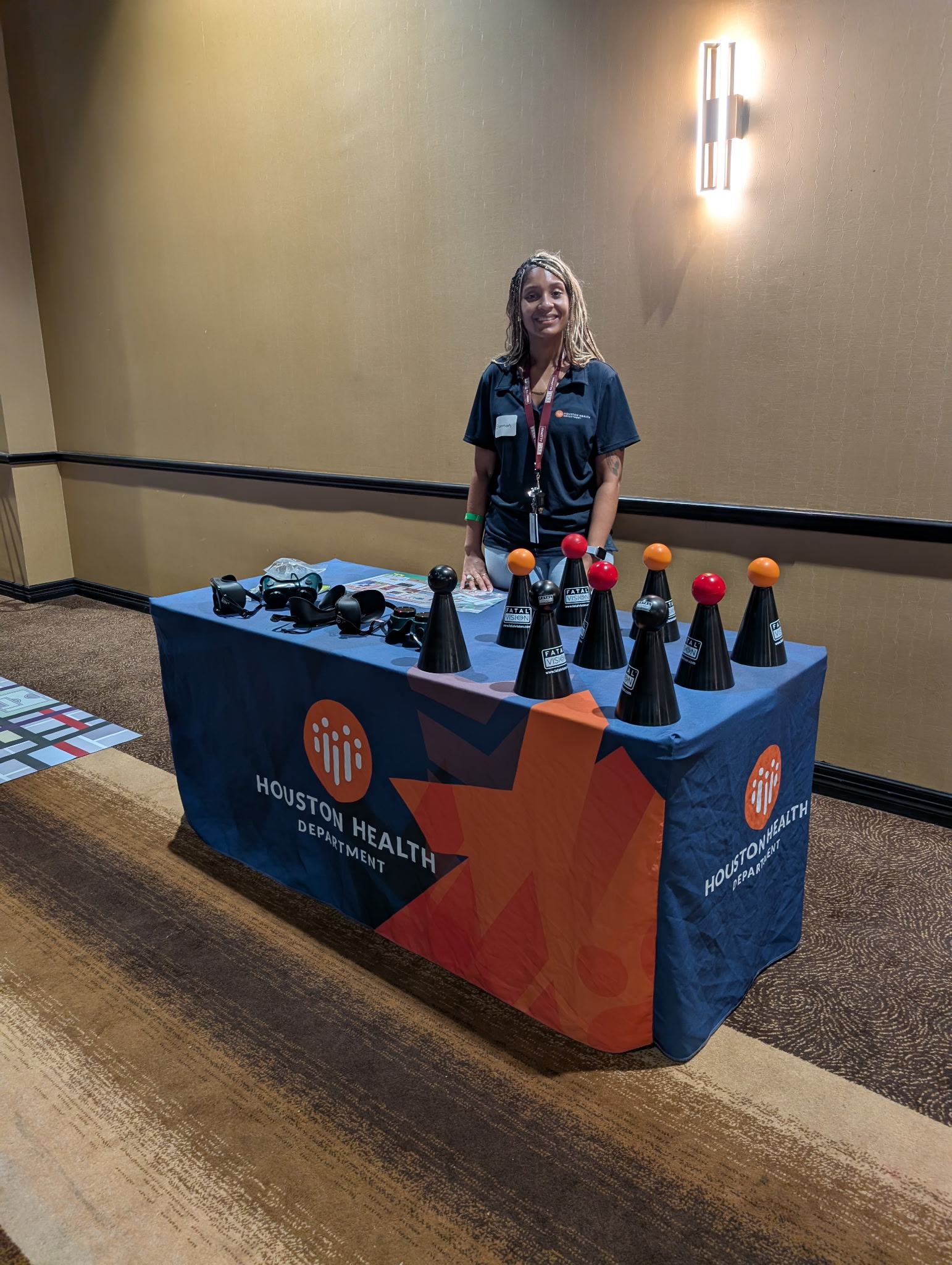
Shannon Starkey has a straightforward goal: reach young people before substances reach them. As a community liaison for the Houston Health Department, she works with students who face real challenges, underserved communities, residential facilities, “last chance” classrooms, and everything in between. When Starkey returned to the department in 2025 after an earlier internship, she went looking for tools that could help her make an impact. She found them in a storage closet.
A set of Fatal Vision products had been sitting unused since the early 2020s. Starkey put them to work, and they have been at the center of her prevention programming ever since, particularly the Fatal Vision THC Marijuana Goggles and Opioid Goggles. Her story is one of a growing number of educators and community professionals using Fatal Vision to bring hands-on, opioid abuse prevention program experiences to the young people who need them most.
Meeting Youth Where They Are
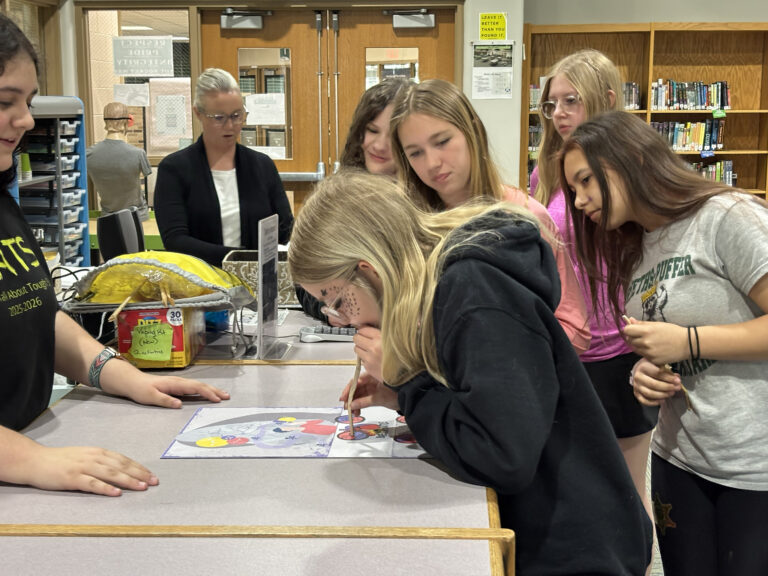
Starkey is assigned to five schools regularly, sometimes a sixth, working with groups of ten to fifteen students who meet weekly. The students come from a range of backgrounds, and she takes care to meet each group where they are.
“These are not suburban kids,” she said. “Many of these students come from underserved communities and face significant challenges.”
She starts every new group with a pretest. The results shape everything that follows. For students already navigating substance use, she brings the full program. For others, prevention is the focus. Starkey also works outside the classroom, bringing Fatal Vision tools to group homes, residential facilities, faith-based youth programs, and community events with the Houston Police Department. You can explore how other community programs are using these tools in our Success Stories.
Across every setting, one thing stays consistent: she presents the hands-on activities as a privilege, not a given.
“They can’t misbehave or abuse the products,” she said. That framing keeps sessions focused and protects the tools for long-term use.
The Fatal Vision THC and Opioid Kits in Action
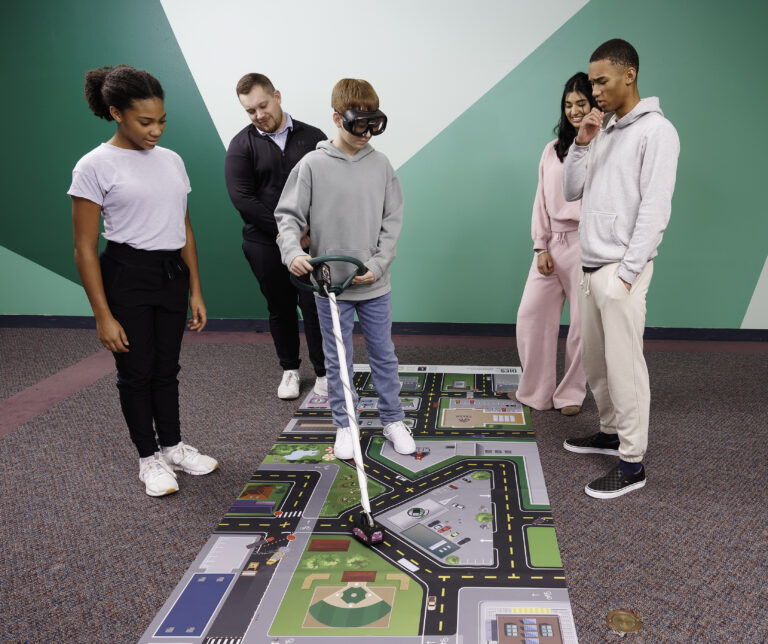
THC vaping is one of the most pressing concerns Starkey encounters in her schools, even though the substance is illegal in Texas. The Fatal Vision THC Marijuana Goggles give her a way to make that conversation concrete. Students who start a session skeptical about how much THC actually affects their performance quickly discover otherwise once the goggles go on.
“For sure!” is how Starkey described the impact when asked if the activities reach her students. The hands-on simulation does what a PowerPoint slide cannot, it gives even the most confident student proof that impairment is real.
The Fatal Vision Opioid Goggles have proven equally effective in her opioid awareness programming, opening conversations about prescription misuse and the physical reality of what opioids do to perception and reaction time. Combined, the two kits give Starkey a toolkit for the substances her students are most likely to encounter in their communities.
Bringing Law Enforcement Into the Conversation
One of Starkey’s most effective approaches involves inviting Houston Police Department officers to join her sessions when she uses the Fatal Vision Alcohol Goggles. An officer leading sobriety test demonstrations while students wear the goggles adds a layer of real-world weight that changes the dynamic of the room.
“It’s more impactful with a police officer,” she explained.
At the same time, she knows her audience. Not every group has the same relationship with law enforcement, and Starkey adjusts accordingly. “Sometimes I don’t invite an officer if the kids have had bad experiences with the police. Not everyone comes from the same background. I meet the clients where they are.”
That sensitivity extends to how she shows up. She often comes to class in jeans and sneakers to help students feel more comfortable from the moment she walks in.
Beyond the Classroom: Community Events and Parent Outreach
The reach of Starkey’s work extends well past school walls. She brings Fatal Vision tools to community events alongside the Houston Police Department, where the interactive demonstrations draw a crowd and open one-on-one conversations that would be difficult to start any other way.
“The Fatal Vision THC and Opioid Goggle Kit activities are a big draw and help encourage participation at community events!” she said.
Some of the most meaningful moments, though, happen quietly. Students regularly approach Starkey after sessions to talk about a parent’s or sibling’s substance use, taking what they learned and carrying it back home. That ripple effect is exactly what prevention education is designed to create.
Starkey has also set her sights on expanding the program’s reach even further. She is working to launch youth-parent classes and is pursuing grant funding to support the effort. She is also making a case directly to Houston’s city leadership, requesting the opportunity to demonstrate the goggles to the Mayor’s office.
“I want to show them what I do,” she said.
Tools That Open the Door to Honest Conversations
What makes Fatal Vision tools effective in Starkey’s hands isn’t any single product. It’s the way experiential learning creates a shared moment, a moment where even a skeptical student sees, firsthand, how impairment changes everything. That moment opens the door to the conversation Starkey is trained to have.
Fatal Vision tools are built to enhance and reinforce the prevention programs educators and community professionals already run. They provide the hands-on, awareness-raising experiences that give prevention messages staying power, and give professionals like Shannon Starkey the “in” they need to reach young people who might otherwise tune out.
Bring These Experiences to Your Community
Shannon’s work is a reminder that the right tools, in the right hands, can reach young people that statistics and lectures simply cannot. If you’re building or strengthening a substance use prevention program for youth, Fatal Vision has the hands-on, awareness-raising tools to help your message land.
Explore the Fatal Vision THC Marijuana Goggles and Opioid Goggles to see how other educators and community professionals are putting them to work. Ready to bring these experiences to your community? Request a quote and we’ll help you find the right fit for your program, your audience, and your setting.
Want to see more stories like Shannon’s? Explore our Success Stories to see how educators, law enforcement, and community professionals across the country are using Fatal Vision tools to spark real conversations and drive meaningful change. You can also read more about opioid abuse prevention program tools and how they’re used across a wide range of settings, or visit our Funding & Grants page if you’re exploring support for your program.