|
At a Glance
- How interactive activities help alcohol education resonate with college students at a pivotal stage of independence
- How campus educators and peer leaders can deliver alcohol education that goes beyond abstract warnings
- How Fatal Vision® Alcohol Impairment Goggles and the Intoxiclock® enhance existing campus programs
- How sobriety test demonstrations and other activity ideas get students actively involved
|
Enhance Your Alcohol Education for College Students with Interactive Activities
College students are at a pivotal stage of independence, and abstract warnings about impairment often fail to land. Lectures and pamphlets have their place, but hands-on learning experiences and interactive activities are often what create the most engagement and meaningful conversations.The right interactive activities create real, memorable moments that help participants experience the effects of impairment in a safe, controlled environment and spark the kind of conversations that continue long after the session ends.
Why Interactive Activities Matter in Alcohol Education for College Students
Statistics and slide decks rarely change behavior on their own. Experiential learning bridges the gap by turning abstract risks into something participants can experience firsthand through active participation. When understanding reaches both the mind and the body, the door to safer choices opens.
Hands-on activities also strengthen the work your prevention team is already doing. They engage multiple learning styles at once, encourage peer-to-peer discussion, reinforce your existing prevention message, and make the effects of impairment tangible and relatable through interactive learning experiences.
Who Delivers Alcohol Education on College Campuses
Alcohol education on a college campus is rarely the work of one department. The professionals who lead these programs often include student affairs and residence life staff, health promotion and wellness center teams, campus law enforcement and public safety officers, Greek life advisors, peer educators, athletic department staff, and campus prevention coalitions. Community partners like local health departments and traffic safety units also play a regular role in welcome week and orientation events.
Fatal Vision tools are designed to support every one of these roles. Whether you’re an RA running a floor meeting or an officer leading a welcome-week safety briefing, the same hands-on activities can fit your audience and setting.
How Fatal Vision Products Enhance Your Existing Program
Fatal Vision tools are designed to support alcohol education programs through hands-on and interactive learning experiences. These experiential learning tools are designed to enhance the alcohol education for college students that you already deliver. Simulation goggles, activity mats, and interactive demonstrations help you engage participants and reinforce your message without rebuilding your program from scratch.
Whether you’re running an orientation event, a residence hall workshop, a Greek life program, or a campus health fair, these tools fit naturally into the structure you’ve already built.
Fatal Vision Alcohol Impairment Goggles
The flagship Fatal Vision Alcohol Impairment Goggles simulate the effects of alcohol consumption, including reduced alertness, slowed reaction time, altered depth perception, and confusion. When participants put them on and attempt familiar tasks, the difficulty is immediate. The goggles are designed to create engaging, conversation-starting learning experiences that help participants connect the activity to real-world decisions and safety risks.
Intoxiclock®
The Intoxiclock® is an interactive digital tool that demonstrates how blood alcohol concentration rises and falls over time. It supports conversations about drink counting, pacing, and the common misconceptions participants have about “sobering up” quickly. Pair it with goggle-based activities to give participants both the visual and physical understanding of how impairment unfolds through discussion.
Interactive Activity Ideas for Alcohol Education for College Students
Once you have the right tools, the activities you design around them are what bring your program to life. Here are several approaches educators, officers, and peer leaders have used to create engaging alcohol education experiences for college students and reinforce key prevention messages.
Sobriety Test Challenge
Have participants wear Fatal Vision Goggles and attempt a mock field sobriety test. Walking a straight line, standing on one leg, or following a moving finger becomes immediately difficult, and the experience pairs well with a brief discussion of real-world consequences. Campus officers and SROs often lead this activity because their professional perspective adds credibility to the conversation and connects the experience to legal and safety implications.
Simple Task Stations
Set up stations where goggle-wearing participants attempt everyday activities like pouring water into a cup, texting on a phone, catching a ball, or unlocking a door. These familiar tasks become eye-opening demonstrations of how alcohol affects fine motor skills and judgment, and they generate immediate peer reactions and conversation.
Pedestrian Safety with the DIES® Activity Mat
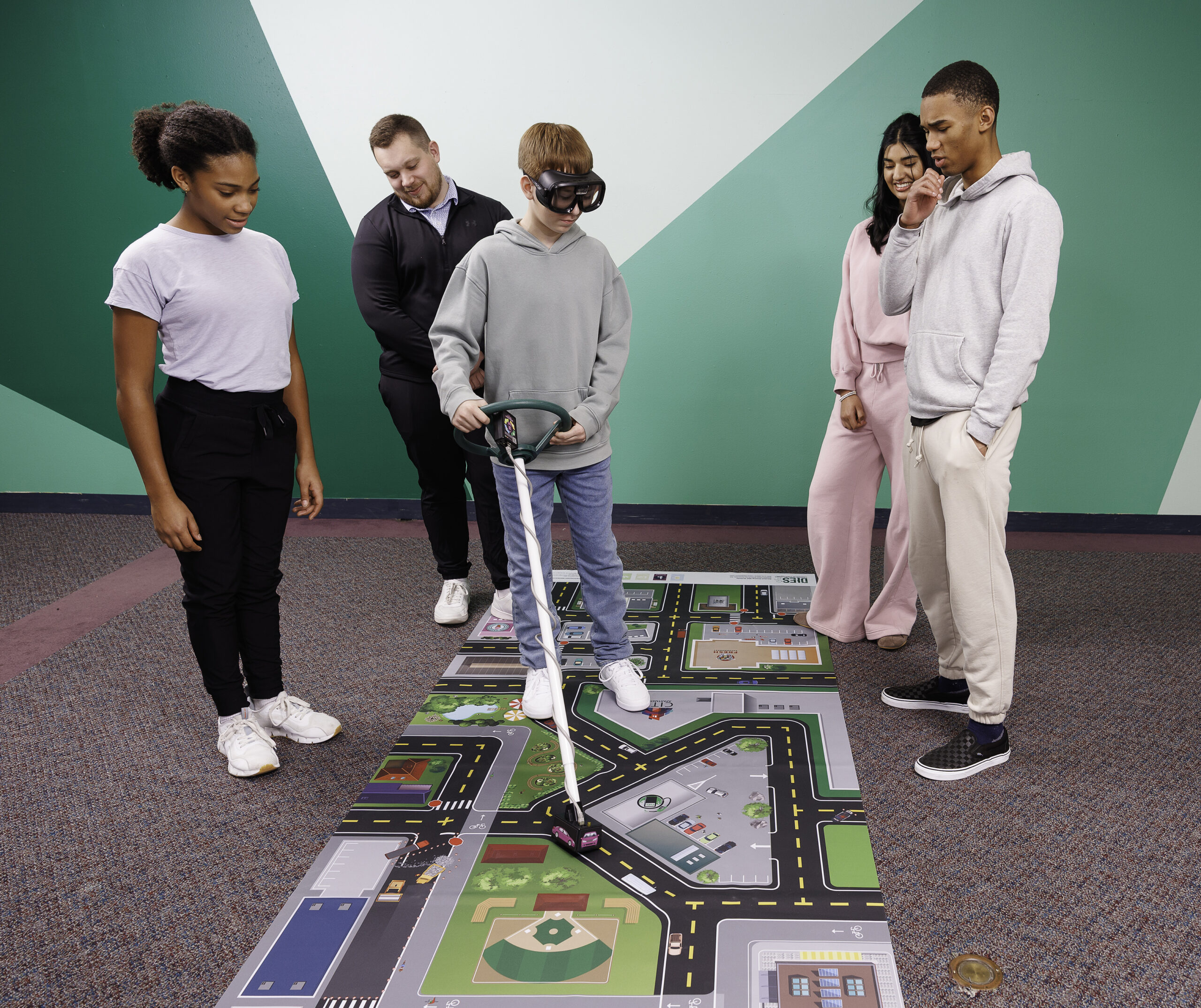
Many campus-related alcohol incidents involve walking while impaired. The Danger in Every Step (DIES)® Activity Mat creates a visual path that participants attempt to navigate while wearing impairment goggles, illustrating how impairment increases the risk of falls, injury, and pedestrian-related crashes. It’s easy to set up indoors or outdoors and encourages reflection on what walking home after drinking actually looks like.
Smash Match® Alcohol Impairment Challenge
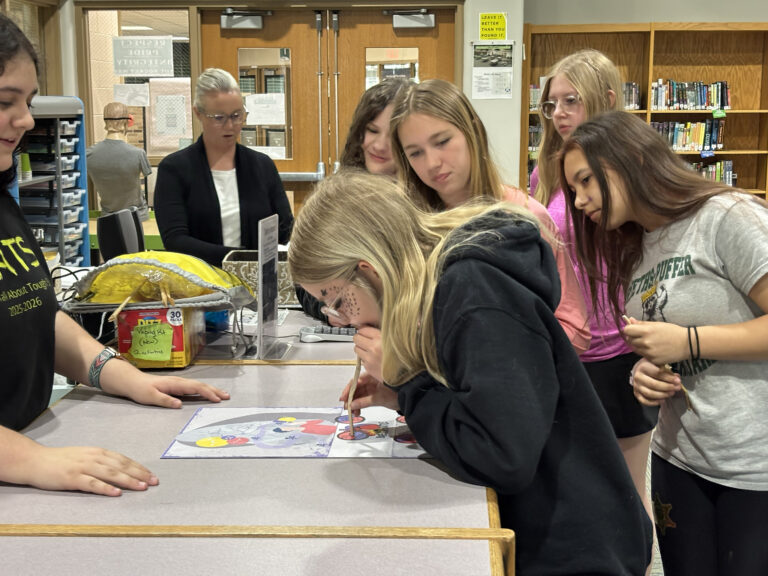
The Smash Match® Alcohol Impairment Challenge is a fast-paced, interactive activity that participants attempt while wearing Fatal Vision Goggles. It draws students in at tabling events and welcome-week programs and gives facilitators an opening to start meaningful conversations about how alcohol affects reaction time and focus.
SUM-IT-CUP®
SUM-IT-CUP® challenges participants to complete a stacking and sorting task while wearing impairment goggles. The activity quickly reveals how impairment affects coordination, problem-solving, and decision-making, and creates an immediate opening for discussion.
Integrating Activities Into Campus Events
Hands-on activities work best when they’re woven into the events and touchpoints participants already attend. Fatal Vision tools can enhance your program at new student orientation and welcome week, residence hall floor meetings, Greek life educational requirements, athletic team safety briefings, campus health and wellness fairs, pre-game and tailgate safety initiatives, homecoming, parents’ weekend, and other high-attendance event periods. Community partnerships with local law enforcement and traffic safety units are also a natural fit, especially for impaired driving demonstrations.
Embedding experiential activities into existing events helps you reach a wider audience without requiring participants to seek out additional programming.
Facilitating Meaningful Conversations
The tools and activities are powerful, but the discussion that follows is where real learning takes hold. After each experience, take time to debrief with participants. Use open-ended questions to help them reflect on what they just experienced and connect it to real-life decisions. Ask participants what surprised them most about the experience, what challenges they noticed while completing activities, and how impairment could affect everyday decisions and reactions. These conversations help connect the activity to real-world situations and encourage meaningful discussion.
Tips for Educators and Facilitators Running Hands-On Sessions
A few best practices go a long way toward getting the most out of your alcohol education for college students. Prioritize safety by using spotters for any activity involving movement and clearing the area of trip hazards. Keep groups manageable so smaller rotations allow for deeper conversation. Mix goggle levels to show participants how even moderate consumption matters. Always pair activities with debriefs, and invest in training your facilitators, whether they’re peer educators, RAs, officers, or staff. Well-prepared facilitators amplify the impact of every session.
Conclusion
Effective alcohol education for college students requires more than information. It requires experience. By integrating your existing program with Fatal Vision simulation goggles, the Intoxiclock®, the DIES® Activity Mat, Smash Match®, SUM-IT-CUP®, and other interactive tools, you can create hands-on moments that engage participants and reinforce your message. Experiential learning tools don’t replace the work you’re already doing. They enhance it, sparking the kind of conversations that lead to safer choices on campus and beyond.