|
At a Glance
- How hands-on tools transform opioid prevention from one sided lectures into engaging experiences
- How Fatal Vision® Opioid Goggles let participants safely experience simulated opioid impairment
- How the Danger in Every Step (DIES)® Activity Mat, driving simulators, banners, and posters reinforce the message
- How prevention professionals can use these tools effectively in their own programs
|
Opioid Abuse Prevention Program Tools That Spark Meaningful Conversations
Talking about opioids can feel like one of the most difficult conversations prevention professionals face. The right opioid abuse prevention program tools can transform a one-sided lecture into a hands-on experience that engages participants and helps them truly understand the risks. At Fatal Vision, we design experiential learning tools that enhance and reinforce your existing prevention curriculum, giving you the kind of activities that engage participants, reinforce your message, and spark meaningful conversations.
Why Hands-On Tools Matter in Opioid Prevention Education
Opioid misuse is a complex topic, and statistics alone rarely change behavior. Participants need to feel the effects of impairment, recognize warning signs, and understand consequences in ways that stick. Experiential learning bridges that gap by turning abstract risks into tangible experiences.
Hands-on activities pull participants out of passive listening and into active learning, creating physical and emotional memories that stay with them long after the session ends. They naturally lead to questions, reflection, and peer discussion, and they reinforce the educational framework you’ve already built rather than replacing it.
Who Uses Opioid Abuse Prevention Program Tools
Opioid prevention work happens across many settings and is led by a wide range of professionals. Fatal Vision tools are flexible enough to support all of them, from schools and universities running health classes and student wellness events, to law enforcement and first responders leading community outreach and prevention education programs. Healthcare professionals use these tools in patient education and community health initiatives, while workplace safety programs rely on them for substance awareness training in industries where impairment carries serious risk. Community coalitions bring them into local prevention events, health fairs, and family education nights, and advocacy groups and faith-based organizations use them in outreach programs, parent education, and recovery support events.
Whatever your role, these tools meet you where you already are and reinforce the message you’re already delivering.
Opioid Abuse Prevention Program Tools From Fatal Vision
Fatal Vision offers a focused lineup of products that help educators, officers, healthcare providers, and community leaders bring the realities of opioid impairment into their programs. The tools below can be integrated into your existing curriculum through hands-on and interactive learning experiences.
Fatal Vision Opioid Goggles
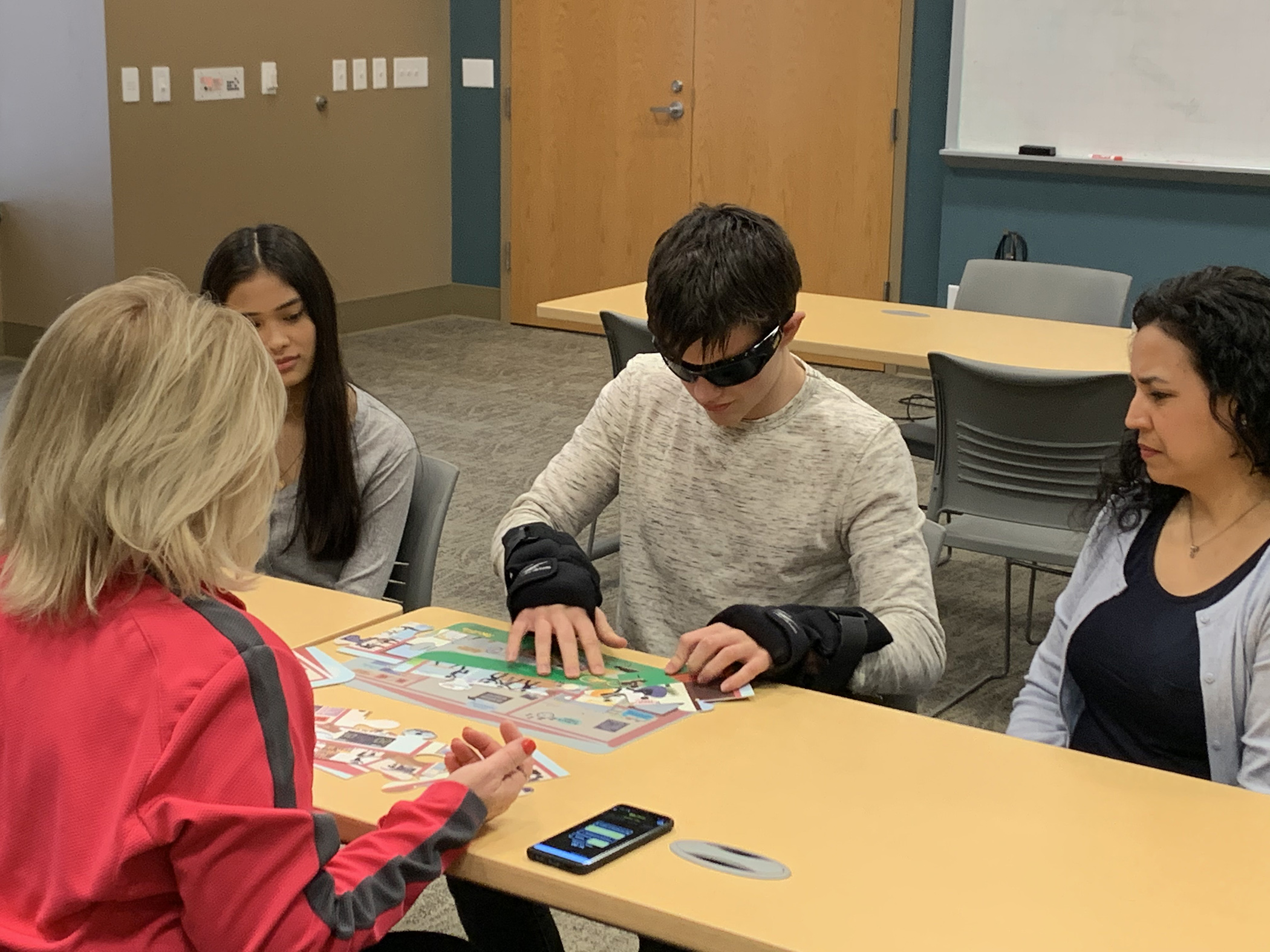
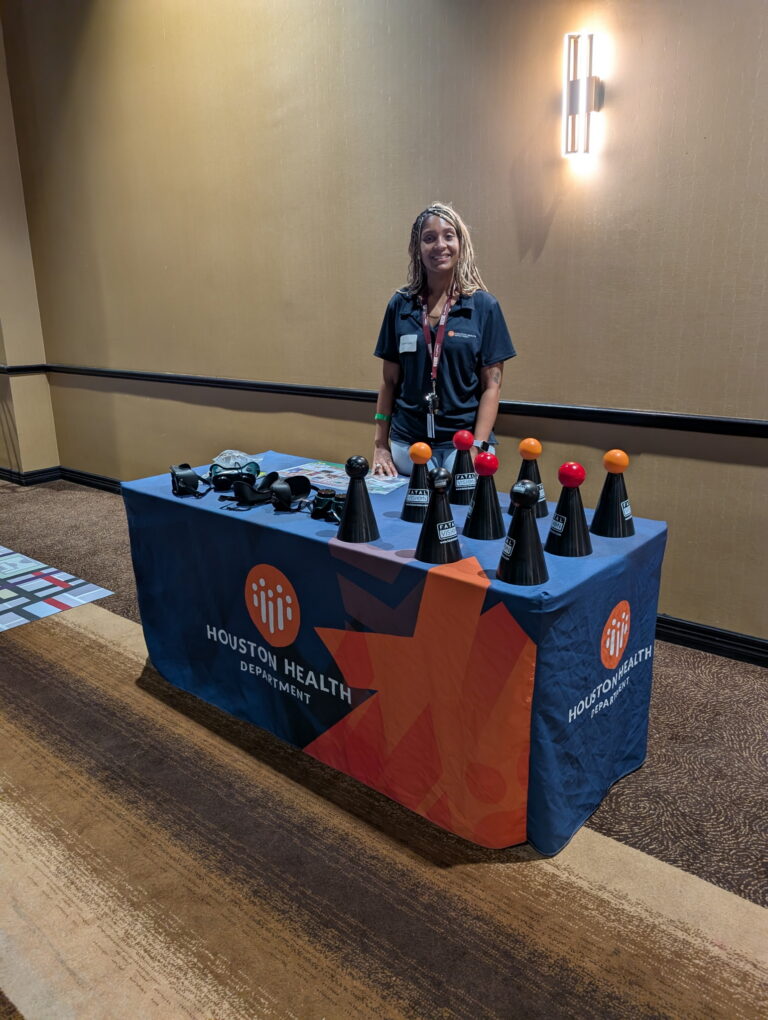
The Fatal Vision Opioid Goggles are built around the unique physical and cognitive effects associated with opioid impairment. They simulate decreased situational awareness, blacking out, contrast sensitivity impairment, and the heaviness or lethargy that can accompany opioid use, giving participants a way to physically experience how impairment can affect everyday functioning. The goggles are designed to create engaging, conversation-starting experiences that help participants connect the activity to real-world situations and decision-making.
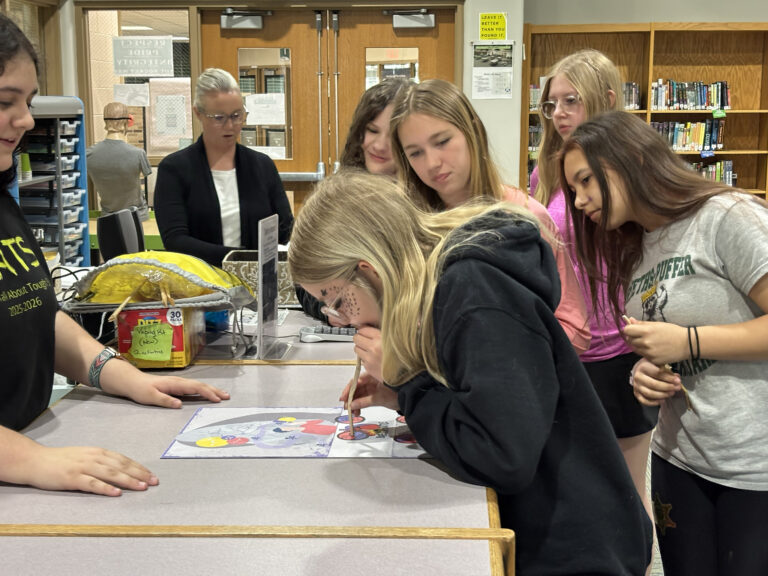
Participants wearing the goggles attempt simple tasks like walking a line, picking up objects, or reading a label, and immediately understand how impairment can affect their ability to function safely.
Danger in Every Step (DIES)® Activity Mat
The DIES® Activity Mat creates a visual path that participants attempt to navigate while wearing Fatal Vision Opioid Goggles. The mat illustrates how impairment increases the risk of falls, injury, and pedestrian-related crashes in a way participants can see and feel firsthand. It demonstrates how impairment affects balance and spatial awareness, is easy to set up indoors or outdoors, and is adaptable for school, community, and workplace events.
Driving Simulators
For audiences exploring the dangers of impaired driving, including driving under the influence of opioids, Fatal Vision driving simulators like SIDNE® provide a powerful demonstration of how impairment affects driving-related decision-making in a safe, controlled environment. Participants experience impaired-driving scenarios without any real-world risk, and observers learn just as much from watching as participants do from driving. The simulators also create a natural bridge between opioid prevention and broader impaired driving education efforts.
Banners and Posters
Opioid prevention banners and posters reinforce your message before and after the hands-on portion of your program. They give your event a visual anchor and help your message live on in classrooms, training rooms, community centers, and clinic waiting areas. Paired with simulation activities, they extend the conversation and keep prevention messages front and center between events.
Using Opioid Abuse Prevention Program Tools Effectively
Bringing these tools into your program is most impactful when paired with intentional facilitation. The goggles, mat, simulators, and signage are conversation starters. Your role as the facilitator is to guide that conversation toward your program’s learning objectives.
Set the Stage Before the Activity
A short introduction helps participants understand why they’re putting on the goggles or stepping onto the mat. Briefly explain what opioid impairment can look like and what they may experience. Share the purpose of the activity in plain language, establish safety guidelines for using simulation equipment, and encourage participants to take the experience seriously while keeping it approachable.
Debrief to Spark Meaningful Conversations
The real learning happens after the activity. A guided debrief turns a hands-on experience into a powerful prevention moment. Ask open-ended questions like “What surprised you most?” or “How would this affect your daily life?” Connect the experience back to driving, work performance, family responsibilities, sports, or relationships, and give participants space to consider how the experience changes their perspective.
Tips for Integrating Tools Into Your Existing Program
Because Fatal Vision products are designed to enhance and reinforce your prevention program, a little planning goes a long way. Align activities with the learning objectives in your existing curriculum, and choose tools that reinforce specific lessons. For larger groups, rotate stations to keep participants engaged. Train your facilitators in advance, since familiarity with the equipment leads to smoother, more impactful sessions. Collect participant feedback to shape how you use the tools in future events, and consider combining tools, like pairing the Opioid Goggles with the DIES® Activity Mat or a driving simulator, for a fuller learning experience.
Why Prevention Professionals Choose Fatal Vision
Educators, officers, healthcare providers, and community leaders turn to Fatal Vision because our tools are designed to engage participants and reinforce your message in ways that traditional materials can’t match. Hands-on learning leaves a lasting impression, and our products help you create those moments without rebuilding your program from scratch. They’re designed to integrate easily into existing programs and adapt across settings, from classrooms to to community outreach and education events.
Conclusion
Opioid prevention requires more than statistics and warnings. It requires conversations participants remember. The right opioid abuse prevention program tools turn passive listeners into engaged learners, and Fatal Vision products are built to spark exactly those kinds of moments. By incorporating Opioid Goggles, the DIES® Activity Mat, driving simulators, and prevention banners into your existing program, you give participants something they can see, feel, and discuss long after the session ends.