National Traffic Awareness Month: Plan Your Safety Initiatives Now
⏱ Estimated reading time: 6 minutes
At a Glance
In this blog, we’ll look at how to build a hands-on speeding awareness program for National Traffic Awareness Month, featuring interactive Fatal Vision® tools that engage participants, spark meaningful conversations, and help instructors reinforce speeding prevention lessons.
National Traffic Awareness Month is a meaningful opportunity to refresh your traffic safety efforts and bring new energy to your prevention work. Whether you are an educator, a law enforcement officer, or a community safety professional, this is an ideal time to strengthen your speeding awareness program with hands-on learning experiences that help instructors engage participants, reinforce key concepts, and spark meaningful conversations.
Why National Traffic Awareness Month Matters
National Traffic Awareness Month is observed every August in the United States, giving your community a shared moment to focus on safe driving behaviors. It serves as a rallying point for schools, coalitions, and agencies that want to raise awareness about preventable accidents. According to the National Highway Traffic Safety Administration, speeding was a contributing factor in nearly 30% of all traffic fatalities in 2022. That data provides instructors and safety professionals with a strong foundation for meaningful discussions about speeding and safe driving behaviors.
Speeding rarely happens in isolation. It is often paired with other choices like distraction or impairment, which compounds the risk. That connection makes National Traffic Awareness Month a meaningful time to broaden your outreach and show participants how these behaviors overlap. To dig deeper into why education matters here, explore our perspective on the role of education in reducing speeding.
Setting Goals for Your Campaign
Before launching activities, take a moment to define what a successful month looks like for your group. Clear goals help you measure impact and keep participants engaged.
- Identify your primary audience, such as teen drivers, college students, or community members
- Decide which behaviors you want to highlight, from speeding to distraction
- Choose the settings where you will hold demonstrations, like a health class, a driver education course, or a community event
- Plan how you will guide discussion before, during, and after each activity
Building a Speeding Awareness Program That Sticks
A memorable speeding awareness program does more than share statistics. It gives participants an eye-opening, experiential moment they carry with them long after the event ends. When a student steps up to the Fatal Speeding™ Kit and discovers firsthand how much harder it is to react at higher speeds, the message stops being abstract. Hands-on learning creates the kind of personal discovery that a pamphlet or a lecture simply cannot replicate.
Fatal Vision® by Innocorp does not replace your curriculum or instruction. Instead, our hands-on tools support existing education by giving instructors engaging experiences that spark meaningful conversations, reinforce key speeding prevention concepts, and connect the lesson to real-world decision-making.
Featuring the Fatal Speeding™ Kit
The Fatal Speeding™ Program Kit is designed to help participants understand how excess speed affects stopping distance, reaction time, and the ability to respond to the unexpected. Using a steering wheel, pedals, and an electronic LED board, participants discover firsthand how increased speed reduces the time available to react and makes hazards more difficult to avoid. The experience gives instructors a natural opportunity to discuss reaction time, stopping distance, risk perception, and how speed affects every driving decision.
Because speed is difficult to visualize in a classroom, this kind of tool helps participants see and discuss consequences in a controlled setting. For more ideas on introducing this activity, take a look at our overview of speeding and reckless driving and how hands-on tools support the conversation.
Adding Simulation Vehicles and Pedal Karts
Simulation vehicles bring your speeding awareness program to a whole new level of engagement. The SIDNE® (Simulated Impaired Driving Experience®) Vehicle provides a safe, hands-on environment where participants experience how alcohol, THC, drowsiness, and distraction can affect judgment, control, and reaction time. Through guided activities and instructor-led discussion, participants gain a deeper understanding of how risky driving behaviors impact safe driving decisions.
The Roadster Pedal Kart is a pedal-powered training tool that provides a hands-on way to demonstrate the effects of alcohol, THC, drowsiness, and distracted driving. When paired with Fatal Vision® Goggles, participants navigate a controlled course while instructors lead discussions about risky driving behaviors and safe decision-making.. If you are comparing options, our comparison of SIDNE and the Roadster can help you match the right vehicle to your setting and your group size.
Connecting Speeding to Other Risky Behaviors
Speeding rarely happens in isolation. Drivers who speed may also be distracted, drowsy, or impaired, which compounds the risk. National Traffic Awareness Month is a strong moment to show participants how these behaviors overlap.
Layering multiple demonstrations can help you tell a more complete story about traffic safety and keep your outreach relevant to a wide audience.
Distraction and Reaction Time
When a driver is speeding and glancing at a phone, reaction time shrinks dramatically. A distracted driving demonstration pairs well with speeding activities to show how quickly a safe moment can turn into a crash. For practical activities that add depth to this portion of your event, review our guide to types of distractions while driving and hands-on learning tools.
Impairment and Judgment
Impairment affects the very judgment drivers rely on to make safe speed decisions. Fatal Vision® goggles simulate the effects of alcohol, THC, or a combination of substances, giving participants an eye-opening sense of how impairment distorts perception.
Pairing goggles with a walking course or a pedal kart activity helps participants connect impairment directly to control behind the wheel. This kind of behavior-changing demonstration reinforces the message that safe speed and clear judgment go hand in hand.
Planning Engaging Activities for Your Event
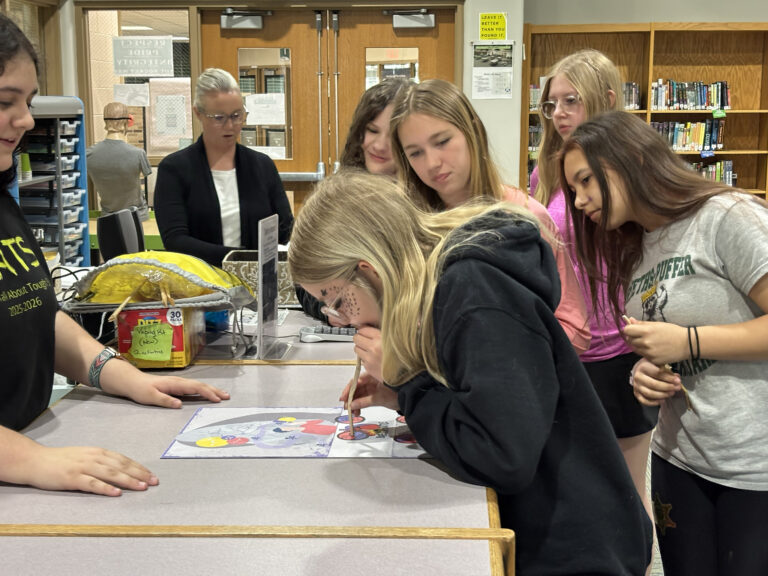
The right mix of activities keeps participants involved and encourages meaningful conversation. Variety also helps you reach different learning styles across your audience.
- Set up a demonstration course where participants navigate cones while wearing simulation goggles
- Use the Fatal Speeding™ Kit to visualize stopping distance and reaction time
- Invite participants to share what stood out to them after each activity
- Display awareness-raising banners and posters to reinforce your message throughout the venue
- Encourage peer-to-peer discussion so participants learn from one another
Real-world stories can also make your event more relatable. To see how one community brought these tools to life, read how a Putnam County program drew teen drivers with Fatal Vision® goggles and SIDNE.
Preparing Your Team
Well-prepared facilitators create more engaging demonstrations and more meaningful discussions with participants. Taking time to practice with your tools helps you run smooth, engaging activities that keep participants focused on the message rather than the logistics. If your team is new to these products or wants a refresher, learning what Innocorp on-site training entails can help you get the most value from your investment.
Measuring the Impact of Your Efforts
Reflection is a powerful part of any prevention-focused campaign. Gathering feedback helps you understand what resonated with participants and how to improve future events.
- Ask participants to describe one thing they noticed during the activity
- Note which demonstrations sparked the most questions and discussion
- Track how many people attended and engaged with each station
- Collect short reflections from educators and volunteers who facilitated
Keeping Momentum Beyond the Month
National Traffic Awareness Month is a great starting point, but the strongest programs keep the conversation going year-round. The tools you use in August can support driver education, community events, and school assemblies well beyond a single observance.
By weaving hands-on demonstrations into your ongoing work, you help participants build the awareness and confidence to make safer choices every time they get behind the wheel. A thoughtful speeding awareness program that combines simulation, discussion, and reflection can leave a lasting, meaningful impression on your community.
Incorporating hands-on speeding prevention activities into your August programming is one of the most effective ways to make this observance count. Explore the Fatal Speeding™ Program Kit, SIDNE® Vehicles, and the Roadster Pedal Kart to find the right tools for your setting and your group.
Ready to get started? Request a quote and our team will help you build the right kit for your program, your audience, and your budget. You can also watch demo videos to see these tools in action, or explore funding and grant resources if you’re looking for support to bring Fatal Vision® to your community.