Walking Toward Prevention: A Hands-On Approach to Pedestrian Safety
⏱ Estimated reading time: 5 minutes
At a Glance:
In this blog, we’ll look at hands-on pedestrian safety education tools and activities that help educators, law enforcement, and community professionals engage participants, create meaningful discussions about pedestrian safety, reinforce safe walking habits, and keep the message going long after the session ends.
Teaching young learners how to move safely through their neighborhoods, crosswalks, and school zones is one of the most meaningful things an educator or safety professional can do. Effective pedestrian safety education gives children the awareness and confidence to make smart choices every time they step off a curb. When you pair clear messaging with hands-on learning, those lessons stick.
Fatal Vision® tools are built to support and reinforce your existing curricula and training, not replace them. They provide hands-on experiences that engage participants, spark meaningful conversations, and help instructors connect those experiences to the pedestrian safety lessons they are already teaching.
Why Pedestrian Safety Education Matters
Children spend a lot of time on foot: walking to school, crossing busy intersections, and playing near roadways. Yet they do not always understand how quickly a situation can turn into a crash. According to the National Highway Traffic Safety Administration, 7,080 pedestrians were killed in traffic crashes in 2024 alone, an average of one death every 74 minutes. Pedestrian safety education helps close that gap by turning abstract warnings into real-world understanding.
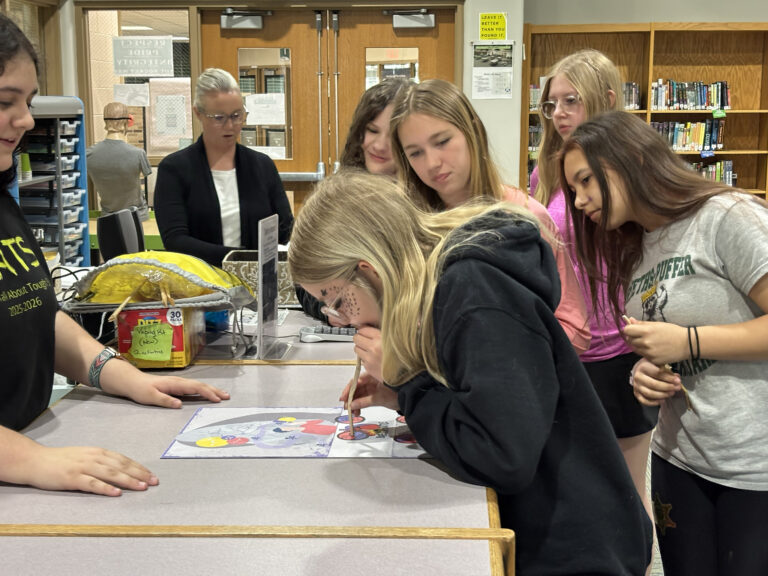
Young pedestrians face real risks, from distracted drivers to blind spots and unpredictable traffic. Prevention-focused programs give kids the tools to anticipate hazards and respond thoughtfully. Hands-on activities give instructors opportunities to turn these concepts into memorable experiences, helping participants better understand why safe walking habits matter. Some of the most effective lessons come from communities that combine classroom instruction with active, hands-on practice, as shown in this look at how youth pedestrian safety training uses activity mats to teach safe walking practices.
Common Challenges for Young Pedestrians
Understanding where children struggle helps you focus your lessons. The Centers for Disease Control and Prevention notes that one in five people who died in traffic crashes in 2022 were pedestrians, and younger road users face particular challenges judging speed, distance, and safe crossing times. A few recurring challenges include:
- Judging the speed and distance of oncoming vehicles
- Getting distracted by phones, friends, or surroundings
- Assuming drivers can always see them
- Darting into the street without checking both directions
- Misjudging safe crossing times at intersections
The Value of a Hands-On Approach to Pedestrian Safety Education
Lectures and worksheets have their place, but children remember what they experience. A hands-on approach to pedestrian safety education transforms a passive lesson into an active, memorable moment. When kids practice looking both ways, judging distance, or navigating a simulated crosswalk, they build habits they can carry into the real world.
Experiential learning also sparks natural conversations. Those conversations are where instructors can reinforce key safety concepts, answer questions, and connect the activity back to everyday decision-making. A student who navigates a simulated crossing firsthand is far more likely to ask questions and reflect on their own behavior. This is the same principle behind other impactful programs, such as the ideas described in our article Racing Toward Driving Safety Education.
Why Interactive Learning Works
Hands-on activities engage participants in ways that words alone cannot. Here is what makes them so effective:
- They turn abstract risks into tangible, eye-opening experiences
- They encourage empathy and awareness through direct participation
- They give instructors natural opportunities to lead meaningful discussions and reinforce the lesson being taught
- They meet different learning styles, keeping every child involved
- They help participants connect classroom lessons to real-world situations
Fatal Vision® by Innocorp provides hands-on tools that support instructors and educators by creating engaging learning experiences that reinforce pedestrian safety lessons. Rather than replacing instruction, these tools help facilitators demonstrate important concepts, engage participants, and spark meaningful discussions that connect each activity to real-world situations.
[INSERT: original photo of students participating in a hands-on pedestrian safety activity]
Pedestrian Safety Program Kit
The Pedestrian Safety Program Kit provides instructors with a hands-on way to help elementary-aged students build essential pedestrian safety skills in a safe, controlled environment. Using a designed floor mat, crosswalk signs, vehicle pieces, and guided scenarios, participants actively practice stopping before crossing, looking left-right-left, following pedestrian signals, making eye contact with drivers, and recognizing potential hazards.
Rather than simply talking about pedestrian safety, students practice the skills through movement, repetition, and guided decision-making. The hands-on experience encourages participation and gives instructors natural opportunities to reinforce key pedestrian safety concepts, discuss real-world situations, and help students build habits they can use every day.
Learn more about the Pedestrian Safety Program Kit.
Simulation Goggles for Awareness-Raising Demonstrations
Fatal Vision® simulation goggles help older students and community members understand how impairment or distraction can affect judgment and reaction time near roadways. While these goggles are often used in impaired and distracted driving education, they also open the door to conversations about how a driver’s impaired state puts pedestrians at risk. When a student puts on a pair of Drowsy and Distracted Driving Goggles and tries to navigate a simple crossing, this hands-on experience gives instructors a natural opportunity to discuss reaction time, awareness, and how driver behavior impacts pedestrian safety. Pairing these demonstrations with pedestrian lessons helps participants see both sides of the crosswalk, similar to the approach explored in our discussion of types of distractions and hands-on learning tools.
Interactive Activities That Spark Conversation
Beyond mats and goggles, interactive activities give educators simple, repeatable ways to reinforce safe behaviors. Whether you are running a school assembly, a community event, or a classroom lesson, these activities help you connect with participants and keep the message memorable. For inspiration on building a broader event around safe movement and traffic awareness, explore our hands-on blueprint for prevention-focused programs.
Bringing Pedestrian Safety Education to Elementary Students
Younger children learn best through movement, repetition, and practice that feels natural to them. Elementary students respond especially well to activities that let them role-play real-world scenarios in a safe setting. Instead of simply hearing the rules, they get to walk through them.
When designing pedestrian safety education for this age group, keep the experience active and confidence-building. Consider these approaches:
- Set up a simulated crosswalk and let students practice looking both ways
- Use clear, encouraging language that emphasizes smart choices rather than fear
- Rotate small groups through stations so every child stays involved
- Reinforce lessons with visuals like posters and banners around the classroom
- Invite questions and discussion after each hands-on activity
Keeping the Message Positive and Empowering
The goal of any prevention-focused lesson is to empower children, not frighten them. Frame each activity around what students can do to stay safe, celebrating their good decisions along the way. This positive, encouraging tone helps kids feel capable and confident, which makes them more likely to apply what they have learned.
Building a Prevention-Focused Program That Lasts
Pedestrian safety education works best when it is reinforced over time and connected to the wider community. Partnering with local schools, law enforcement, and community organizations extends your reach and keeps the message consistent. Educators who feel confident using their tools deliver stronger, more consistent demonstrations. If your team wants extra support, our overview of Innocorp on-site training explains how hands-on guidance can help you get the most from your prevention tools.
A hands-on approach to pedestrian safety education gives children more than facts. It gives them real-world practice, meaningful conversations, and the confidence to make smart choices every time they walk. When paired with instructor-led discussion, these experiences help reinforce key pedestrian safety lessons and encourage participants to apply them in everyday situations.
Fatal Vision® by Innocorp provides hands-on tools that help instructors engage participants, reinforce pedestrian safety lessons, and spark meaningful conversations. Explore our full lineup of pedestrian safety and activity mat tools, or request a quote and our team will help you find the right fit for your audience, your setting, and your goals.
Looking for funding to bring Fatal Vision® tools to your program? Visit our Funding and Grants page for resources to support your application. You can also explore our product demo videos to see these tools in action before you commit.