Helping students understand THC impairment can show them how to make safer choices.
Helping students and young adults understand THC impairment is fundamental to sparking conversations and encouraging them to make safer choices. In this blog, we’ll cover THC impairment, the effect of THC on the brain and body, the impact of using THC and driving a vehicle, and more. We’ll also highlight the Fatal Vision THC impairment hands-on learning tools that support education about the dangers of THC in a safe environment.
Â
Understanding THC Impairment
Helping your students understand THC impairment is the baseline for an educational course. Start by exploring the effects of THC on the brain and body, and the risks associated with THC and driving. Talk about the legal repercussions of using THC and driving, and dive into the science behind THC impairment. It’s also a good idea to spend some time debunking myths or misconceptions about THC impairment. Use hands-on tools like Fatal Vision THC Goggles to help participants experience the simulated effects of THC in a safe environment. Activities help make the lesson more engaging and memorable.
Â
The Impact of THC Impairment on Driving
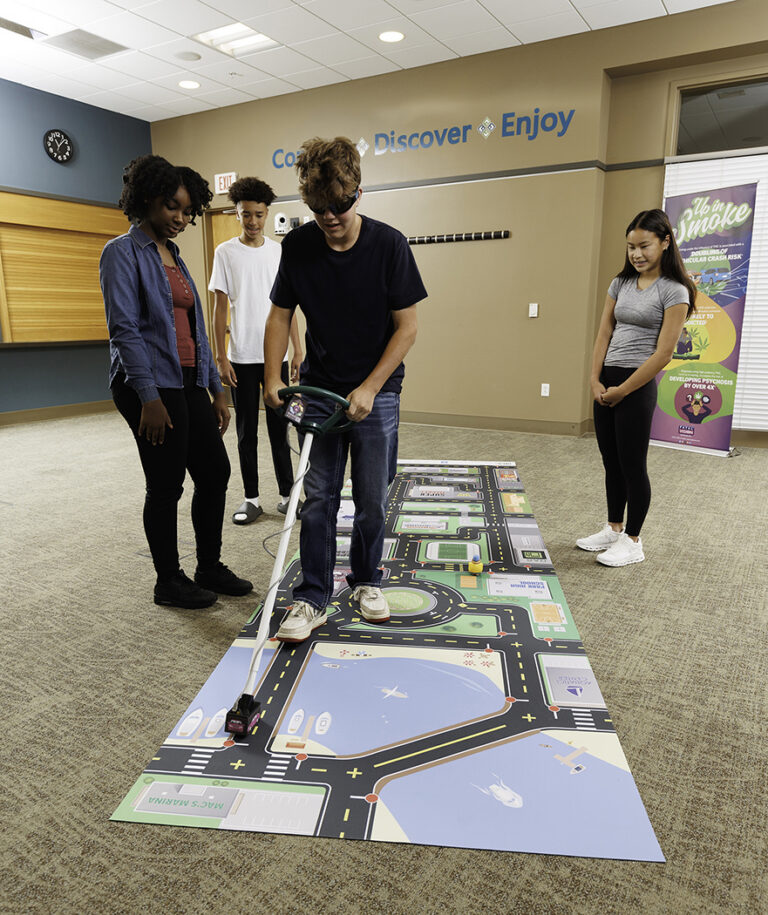
Helping students understand the danger of THC impairment while operating a vehicle is vital. Be sure to talk about the effects of THC on driving abilities, how THC affects perception and reaction times, and use statistical evidence from reliable sources to talk about the risk of accidents. Used in combination with THC Goggles, explore driving simulators like the Roadster Pedal Kart or Simulated Impaired Driving Experience (SIDNE) for a memorable and exciting hands-on activity to give first-hand experience to your students about reduced reaction times, struggles with perception, and to show them the dangers of THC in a safe environment.
Â
Debunking Myths about THC Impairment
Program participants may have questions or incorrect information about THC impairment. Use Fatal Vision tools to encourage conversations and questions, then discuss some common myths or misconceptions about THC impairment. Use science-based resources to facilitate learning about the realities of THC impairment.
Â
The Relationship between THC and Mental Health
When talking about THC impairment, discuss the relationship between THC and mental health. Use credible resources, like the CDC, to talk about the potential link between THC use and mental health disorders, and the risks for those who are predisposed or have mental health issues.
Â
Dangers of Mixing Marijuana with Other Substances
Mixing a substance with other controlled substances is particularly dangerous. Talk with your students about the dangers of mixing THC with other substances. Show them the dangers of combining THC, alcohol, prescription drugs, and more. Use the Fatal Vision Polydrug Goggles and accessories to provide a simulated representation of the dangers of mixing substances in a safe environment, and be sure to cover statistical facts from credible resources. You can also talk about the common outcomes and side effects of mixing drugs. It’s important for students to understand the risks of this behavior.
Â
THC impairment is important to cover with impairment education program participants. Try incorporating hands-on learning tools to help them understand the risks and dangers in a safe learning environment. The Fatal Vision THC Goggle Kits and Polydrug Goggle Kits are excellent resources to encourage conversations, understanding, and making safer choices. To request a customized quote for your program, get in touch with our team.
THC Prevention & Awareness Tools
Equip yourself with the most effective tools to educate others about the realities of THC impairment. Explore our range of Fatal Vision® products, including goggles and other simulation devices, designed to vividly demonstrate the impact of THC on motor skills, reaction time, and judgment. By using these hands-on educational tools, you can create impactful learning experiences that promote safer choices and responsible behavior.