Keep students and young adults safe with awareness, education, and prevention learning opportunities.
One of the key ways to help reduce opioid addiction among teens and young adults is through engaging, hands-on education and open conversation. Whether you’re an educator, law enforcement officer, or advocacy group leader, creating meaningful learning experiences helps participants truly understand the risks and dangers, empowering them to make safer choices. In this blog, we’ll look at a few tools and resources designed to spark conversations and bring opioid awareness to life.
Focus on Prevention Through Education
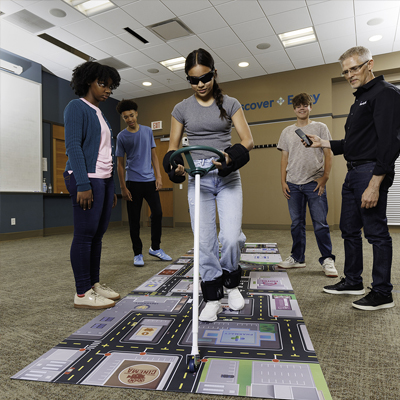
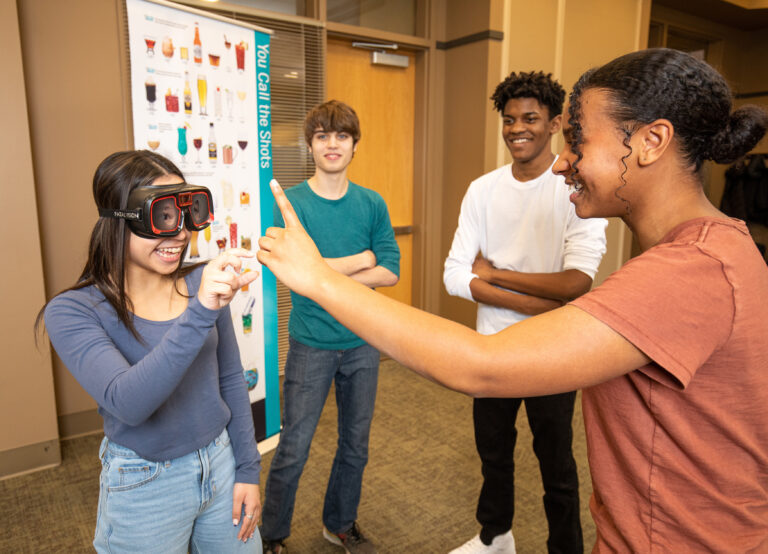
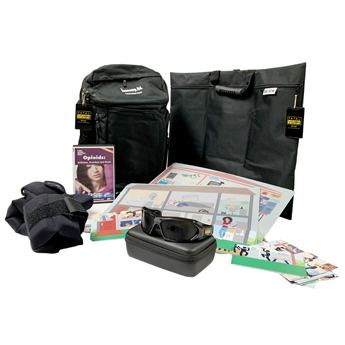
For educators and facilitators teaching about the risks and dangers of opioids, creating a well-rounded, compelling educational experience is important. Use hands-on learning, like the Fatal Vision Opioid Goggles, to help students understand impairment in a safe environment. Pair the goggles with engaging activities, like the Opioid Event Kit, to help them understand how impairment can affect reaction time, nodding out, and lack of coordination. These experiences can help young adults understand the risks of addiction by illustrating how these impairments can disrupt daily life and driving abilities. Fatal Vision education products spark meaningful discussion around opioid use and how they can make safer choices based on what they learned during the activities.
Pair these activities with facts, statistics, and measurable data. Share credible sources, like the CDC, on opioid-related crashes or overdose and death numbers. Sharing facts in a safe and open environment where students can ask questions and talk about the data can be empowering and help them understand the risks of their choices.
Incorporate Hands-On Learning
Using hands-on learning can help students better grasp information and can help the message stick better. For opioid awareness and prevention, try using a variety of hands-on, educational activities or engaging event kits to solidify the message. Fatal Vision’s Opioid Goggles, Opioid Event Kit, or try pairing simulations with the Roadster Pedal Cart for a driving experience. Using these hands-on learning opportunities can help students better understand the risks of opioid use through simulated experiences.
Opioid Awareness and Legal Consequences
When talking about opioid awareness and prevention, it can be beneficial to incorporate legal consequences. Talk about laws regarding using opioids, driving while under the influence of opioids, or show them cases where opioids impacted a legal sentence. Showing students data around laws and regulations can help them make safer choices. Consider inviting a professional or subject matter expert to talk with your class about these legal ramifications.
Discuss How Opioid Addictions Can Start
When working with students or young adults, give them background information on how opioid addiction may begin. Helping students become more aware of opioid addiction can be a powerful preventative measure. Bring in experts, start discussions or brainstorm ways addiction can begin, and help them create plans or ways to combat potential pitfalls. Offer credible resources, like state-specific assistance programs or local clinics, so students feel equipped with places to ask for help.
Lead With Empathy
For educators, it can be important to include resources for students who may be going through addiction, withdrawal, or who have a close friend or family member in addiction. Leading with empathy can allow them to feel comfortable enough to ask questions, ask for help, or be receptive to specialized resources. Share with students about resources available; this may be specific to your community, or broader, national resources like the CDC or NIH.
Continue the Message
Keep the message front of mind by placing banners, posters, or statistics around your school or community center. Having these reminders can keep the learning top-of-mind and help students make safer choices.
Helping students understand the risks of opioids can include hands-on learning, recurring messaging, and factual data, all supported by an empathetic and supportive approach, which can help young adults feel confident to talk about opioids. Helping them learn with a well-rounded opioid awareness and prevention effort can help them make safer choices now and in the future. Explore Fatal Vision Opioid Goggles and more education products, or reach out to our team for a custom quote to boost your opioid education program.