Speeding can cause unnecessary and preventable crashes; take a look at how Fatal Vision is paving the way for healthier choices by educating new drivers about the dangers of speeding.
Teaching students and new drivers about the dangers of speeding is an important task. Incorporating hands-on learning and using simulated experiences in a safe and controlled environment is an fantastic way to demonstrate the impact and dangers of speeding. Fatal Vision is proud to announce the newest product in hands-on learning experiences with Fatal Speeding™. Let’s take a look at some key takeaways that educators and students can learn from these activities, and the drive behind why our team developed this activity.
Speeding Statistics
Speeding is a common occurrence and can lead to preventable crashes. According to the CDC, speeding is a leading risk factor for car crashes and can be easily prevented. The World Health Organization shows that about one in three car crashes can be attributed to speeding and exceeding speed limits. Discussing how speeding can increase the likelihood of a car crash and make a crash more hazardous for passengers and others on the road is a vital part of teaching drivers to slow down. Fatal Speeding sparks discussions about speeding and using statistics to back up hands-on learning to reinforce the message.
Domino Effect and Reactions to Crashes
When travelling at a higher rate of speed, reaction times slow and crashes can become magnified. Multi-car crashes are often caused by drivers who were travelling too quickly, exceeding the speed limit, or did not give proper space and time for emergency maneuvers. This can lead to multiple cars in one crash event and increases the risk of harm to drivers and passengers. Teaching drivers about the domino effect of their driving can help them make safer choices for themselves and the other drivers on the road around them.
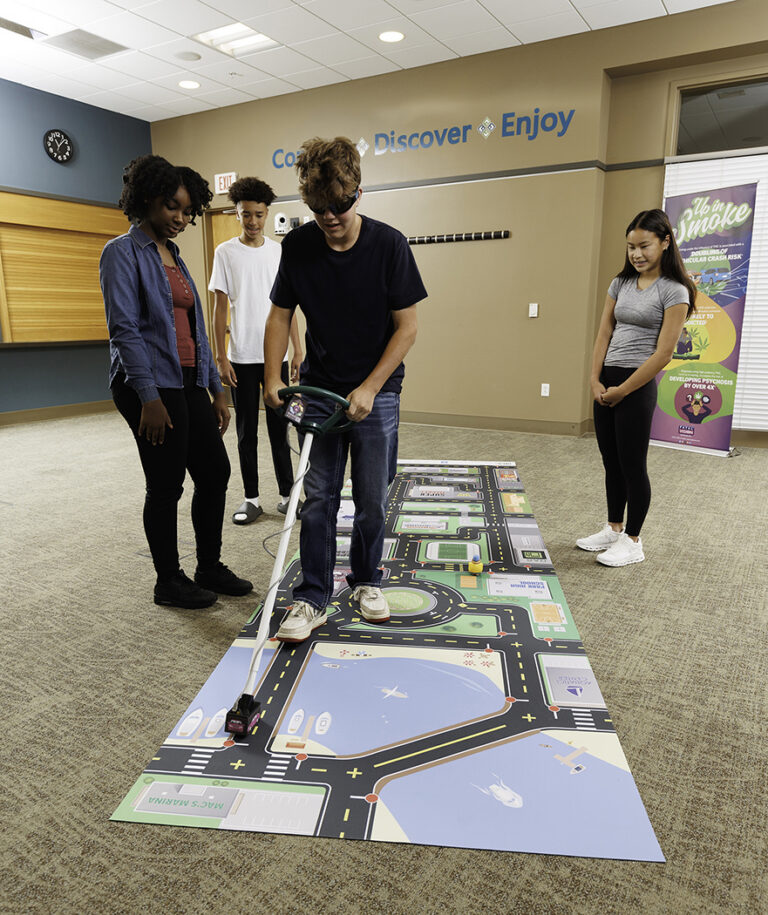
The Fatal Speeding Activity incorporates learning opportunities for participants to further understand the domino effect while driving. The activities include hands-on learning about reaction times, peripheral vision and its limitations, and give a simulated experience of speeding leading to a crash and the aftermath.
Why It’s Important to Teach about Speeding
Speeding is a dangerous activity for everyone on the road. According to the NHTSA, speeding killed over 11,000 people in 2023, and was a contributing factor in almost 1/3 of car crashes reported. These deaths, injuries, and crashes are easily avoidable. Teaching drivers about the benefits of travelling the speed limit and the consequences and risks of speeding can help to make the roads safer for everyone.
Incorporating hands-on learning in a safe environment can help to reinforce the message and encourage safer behaviors. Using the Fatal Speeding Activity allows participants to safely experience the dangers and spark discussions about driving the speed limit.
Speeding Prevention Tools
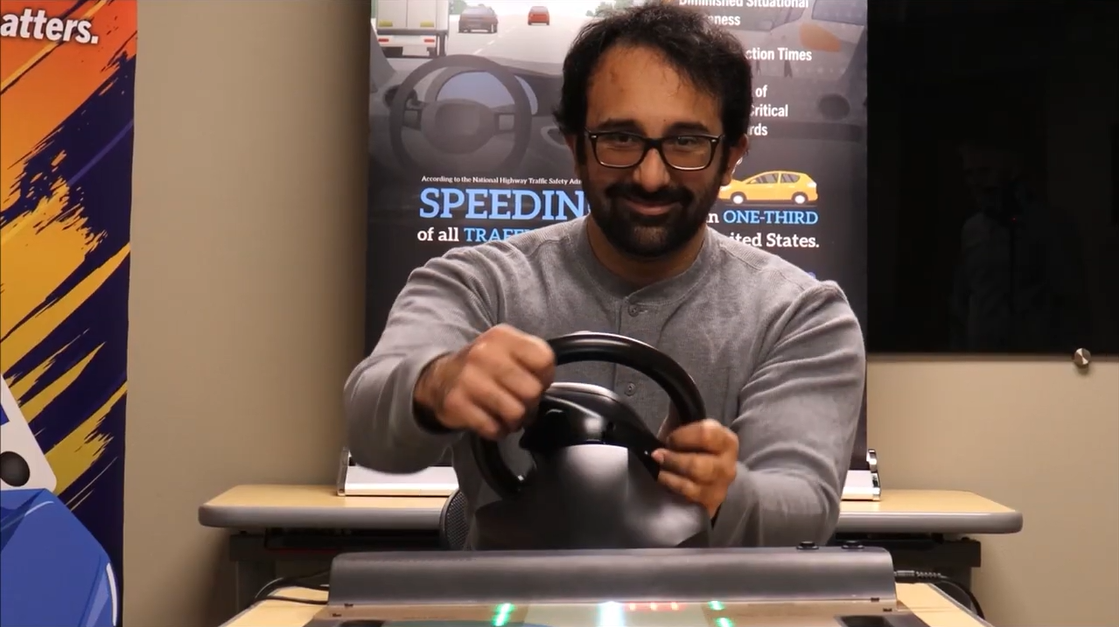
Incorporating real-world experience can be difficult; that’s why Fatal Vision has created a variety of safe, effective, hands-on learning tools for drivers. The Fatal Speeding activity includes an electronic board, steering wheel, and pedals, which allow participants to see firsthand the impact speed has on crashes. By simulating speeding, participants will understand reduced reaction times, limited peripheral vision, increased stopping distance, and more forceful crashes. This experience can then create conversations and help participants make safer choices while on the road and behind the wheel.
By incorporating hands-on learning, educators can increase the engagement of participants and help drive messages home. Using these learning tools and simulations can help drivers make safer choices when they’re on the road and can leave a lasting impact. The Fatal Speeding activity is an excellent addition to a school driving safety course, health and education class, driver’s education, or community and traffic safety programs. For more information or details, reach out to the Fatal Vision team.
Be First to Know About Fatal Speeding™ — Launching Early 2026!
See how Fatal Vision is helping educators address speeding through safe, simulated, hands-on learning experiences that make a lasting impact.
LEARN MORE