Be First to Know About Fatal Speeding™ — Launching Early 2026! LEARN MORE

Identifying High-Risk Groups for Drowsy Driving

Identifying high-risk groups for drowsy driving and using hands-on learning tools in a safe environment can help drivers make safer choices.

Drowsy driving is a significant danger on the road, so teaching drivers about the risks with hands-on learning is an important way to reduce crashes.

Staying alert while driving is key to safety on the road. Teaching drivers through hands-on learning helps them understand how drowsiness affects driving and encourages safer habits. This blog highlights high-risk groups and tools that support alert and responsible driving


Shift Workers and Drowsy Driving

Shift workers may be more prone to drowsy driving. According to the NHTSA, over 600 deaths occur each year that are linked to drowsy driving or falling asleep behind the wheel. Shift workers may be more prone to crashes, according to the CDC. This is because many people on the road, especially during the hours of 2 to 4 A.M., may be too sleep-deprived or overly tired to make safe driving decisions.

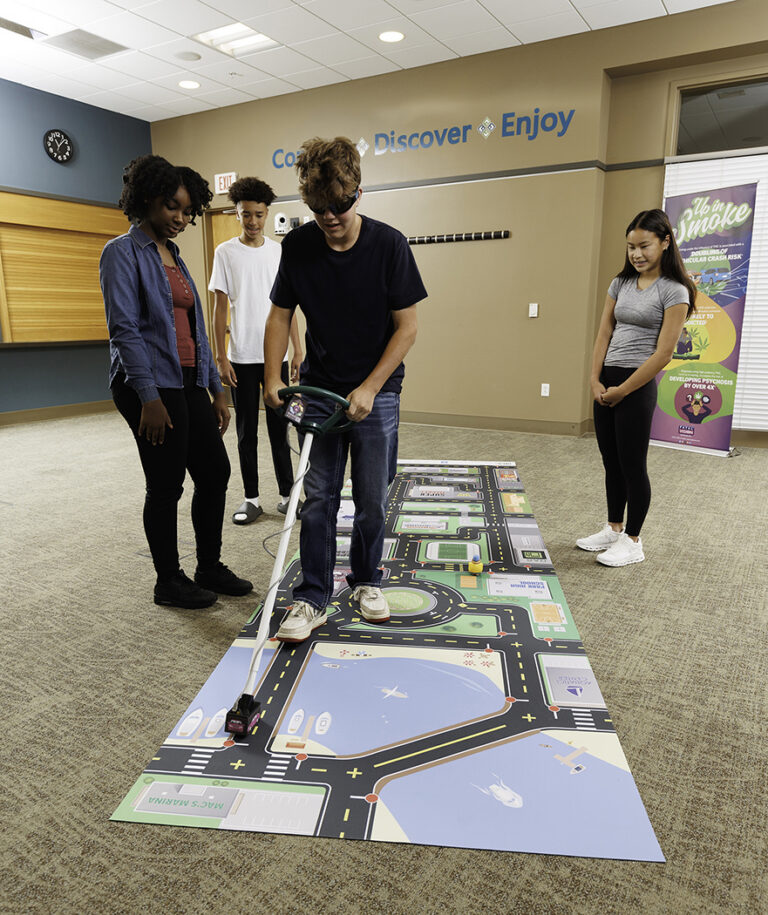
To help shift workers observe the effects of drowsiness, hands-on learning tools like the Fatal Vision Drowsy Driving goggles allow users to experience the progressive loss of focus and alertness that can occur while driving tired. When paired with interactive tasks, these tools create opportunities for participants to reflect on how drowsiness impacts driving and encourage conversations about effective strategies to stay alert on the road.


Teenage Drivers and Drowsy Driving

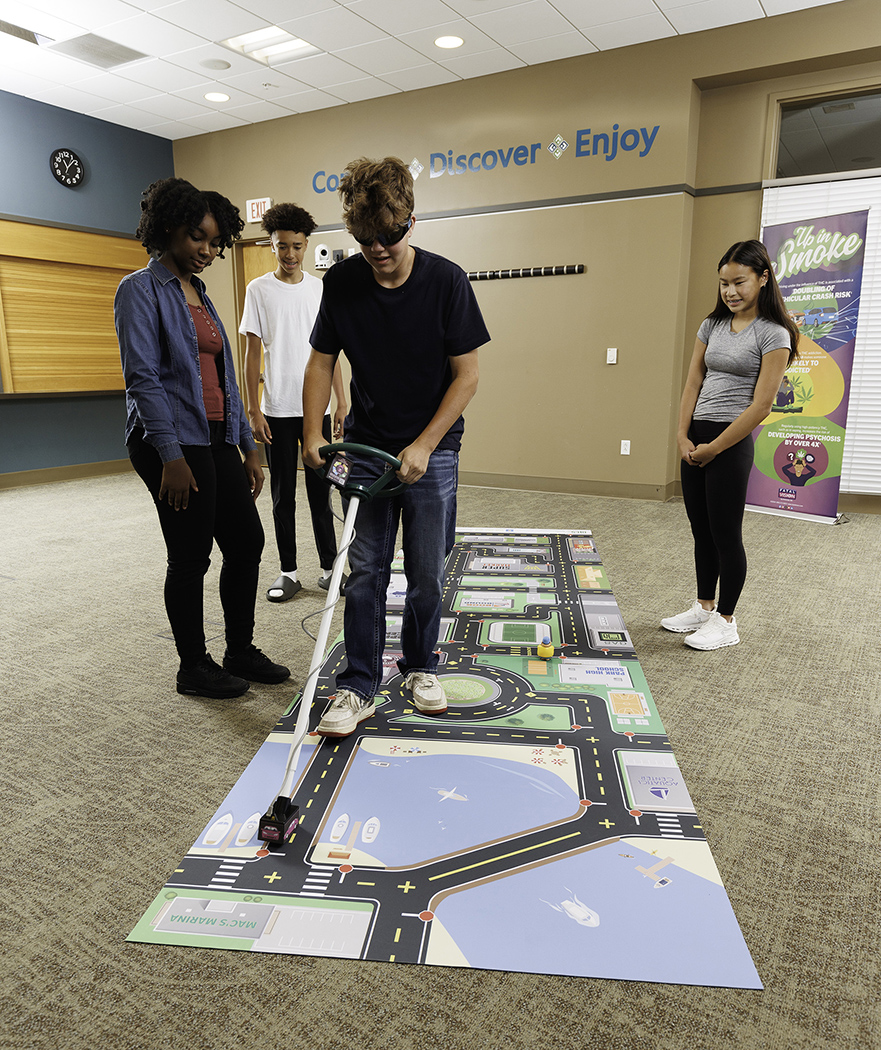
Teenage drivers may not understand the dangers of drowsy driving. When working in schools or community outreach buildings, use the Fatal Vision Drowsy Driving goggles and paired activities to show new drivers how attention and reaction time are diminished when driving without adequate sleep. Hands-on activities help create conversations with teens about why it’s dangerous to drive drowsy and encourage them to determine ways to stay safe while behind the wheel. Use statistics about crashes to reinforce the message, and give helpful advice about how to prevent drowsy driving crashes from credible sources.


Long-Distance Truck Drivers and Drowsy Driving

Helping to educate long-distance truck drivers on the risks of drowsy driving is important to keep roads safe. Include facts and statistics targeted to professional drivers, and create scenarios or situations drivers may face. Use the Fatal Vision Drowsy & Distracted Goggles and accessories to help participants gain a deeper understanding of the dangers and encourage conversation around safety. Implementing hands-on teaching opportunities corporate-wide is a great way for companies to show drivers the risks of drowsy driving in a safe environment.


Tools for Drowsy Driving

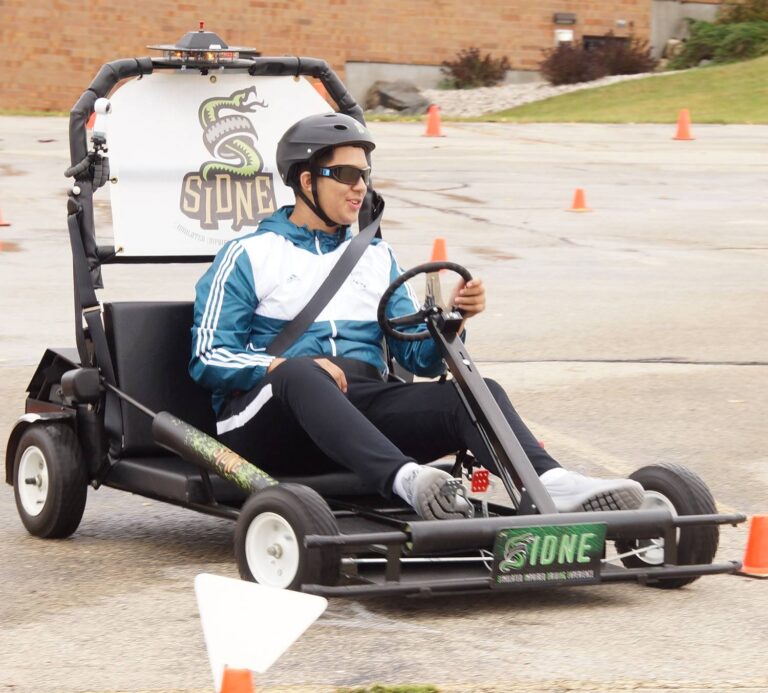
Along with facts and statistics about the dangers of drowsy driving from reputable sources like the NHTSA, a great way to create a memorable lesson is to include hands-on educational tools. Fatal Vision Drowsy & Distracted Goggles and activities are appropriate for all age groups. The Drowsy Mode on the goggles recreates micro-sleeps that escalate, with blackouts starting at half a second and increasing up to 10 seconds. Pairing the goggles with the accessories from our Goggle Kits and driving simulators like the Roadster Pedal Kart or Simulated Impaired Driving Experience (SIDNE) creates an impactful experience and sparks conversations around safe driving.  The Fatal Vision team is always available to help answer any questions you may have about our lineup of educational resources or tools.


The Connection Between Medication and Drowsy Driving

Not all drowsy driving is the result of poor or a lack of sleep. Some drowsy driving may be medication-based. Help drivers understand the risks of using medication and operating a vehicle. Some medications can cause drowsiness and should be avoided if that person is planning to drive. Hands-on tools like the Fatal Vision Drowsy & Distracted Driving Goggles encourage a better understanding of the dangers of drowsy driving and help drivers make safer choices.


Implementing hands-on learning and fact or statistic-based evidence is a good way to help educate the driving population about the risks associated with drowsy driving. Some groups are at a higher risk of drowsy driving, and using hands-on tools in a safe environment can help them understand the risks of impaired driving, be that from medication, lack of sleep, or other factors that introduce drowsiness. The Fatal Vision lineup of products can help reinforce this message in a school, community center, or corporate environment. Get a quote for Drowsy Driving products that encourage understanding and spark conversations around driving safety.

Innocorp is the pioneering developer of Fatal Vision® Goggles and other experiential learning tools designed to educate on the dangers of impairment and promote risk prevention. Innocorp provides impactful, hands-on resources used globally by law enforcement, educators, and safety professionals to demonstrate the consequences of substance use, risky driving, and other dangerous behaviors.

Have a Question?

We’d love to online chat! We are available Monday-Friday from 8am-5pm (CST):

Or schedule a time for a consultation:

Why Fatal Vision?

“We use Fatal Vision products to teach youth and teens about the harms of substance use. The kids really enjoy using them and learn from them, too—it’s a win-win! All of the items are easy to use and integrate into our lessons, making our job easier.”

Jessica Colley
The PULSE Coalition Coordinator of Chenango County

More Blogs You Might Like

Innocorp Ltd.
Privacy Overview

This website uses cookies so that we can provide you with the best user experience possible. Cookie information is stored in your browser and performs functions such as recognizing you when you return to our website and helping our team to understand which sections of the website you find most interesting and useful.