
Virtual Learning Resources and Tips for Your Traffic Safety Program
Are you conducting an online traffic safety program? Click here for virtual learning resources and tips, including our new impaired and distracted driving training tool.

Are you conducting an online traffic safety program? Click here for virtual learning resources and tips, including our new impaired and distracted driving training tool.
Hi, my name is Tim Jorgensen in product development with Innocorp, Ltd. Today I want to give some guidance on our available SIDNE® packages and the right option for you to help meet your outreach goals. SIDNE is our
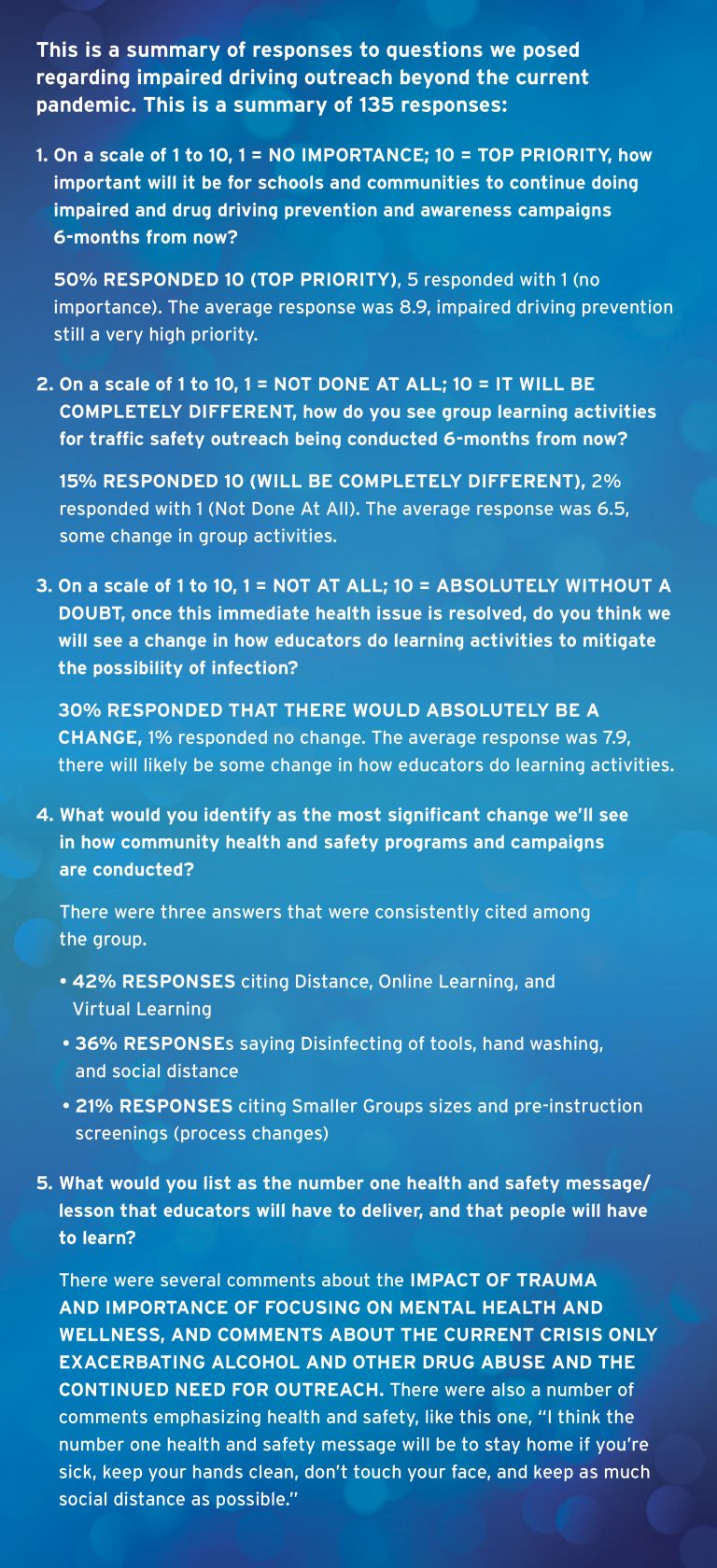
On April 20th, 2020, we reached out to you, our Innocorp customers and contacts, asking for your thoughts about the future of health and safety awareness programs in light of the Covid-19 Pandemic. Many of you enthusiastically responded offering passion,
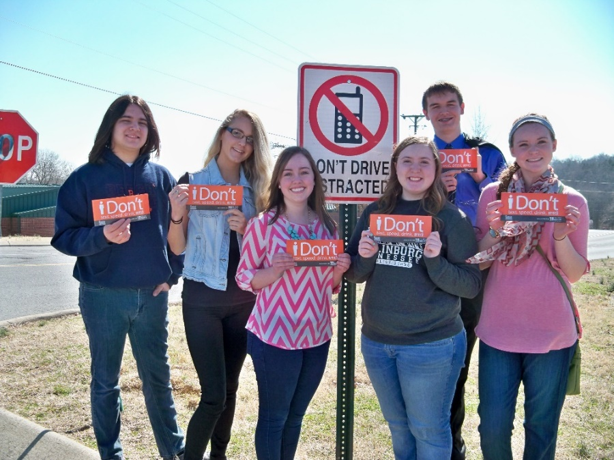
Reduce Teen Crashes is an effective traffic safety and alcohol education program changing teen minds and lives across the U.S. Learn more about this exciting driving safety and alcohol awareness tool here.
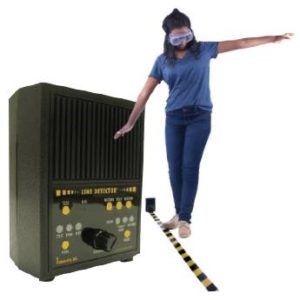
Educators, law enforcement, and other community activist groups that teach alcohol awareness programs understand just how dangerous alcohol abuse, underage drinking, and drunk driving can be. If you teach an alcohol education program, you may be interested in hands-on tools to demonstrate impairment.
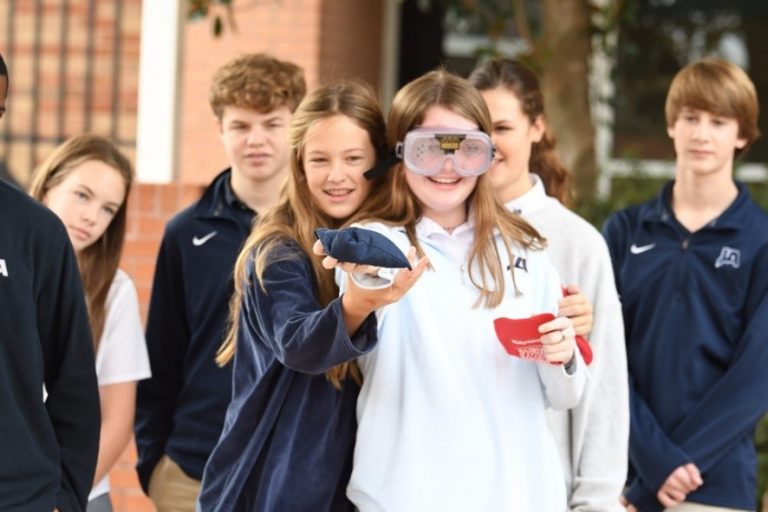
Alcohol use can dramatically hinder brain functions like reasoning, muscle coordination, and thinking. How better to illustrate the dangers of these effects than through hands-on tools that engage and teach young people and other members of the community? In this post, we’re highlighting eight helpful instruments you can use to help enhance your alcohol awareness education program.
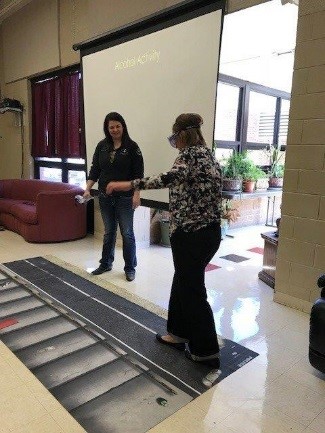
Kassie Campbell, RN, BSN, knows all too well how important it is to practice safe driving habits: As a trauma nurse at University of Missouri Health Care’s University Hospital in Columbia, Missouri, she sees the results of bad decisions every week. University Hospital is a Level I trauma center, which means that the physicians there treat the worst trauma cases in the area — including patients whose blood alcohol concentration (BAC) was more than the legal limit when they caused a crash.
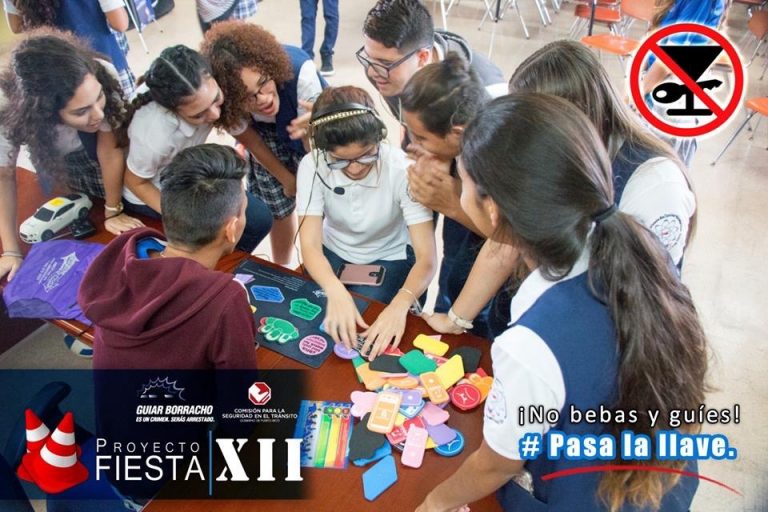
On the campus of Pontifical Catholic University of Puerto Rico, it’s common to see a handful of students driving around campus on a Fatal Vision® Roadster pedal kart. Their mission is simple: They want to educate others about the dangers of mixing alcohol and driving. They are part of Proyecto FIESTA XII, a campus group that trains students to be facilitators in traffic, safety and alcohol.
The White Earth Tribal Police Department’s message to young people is simple and to the point: Have a plan to get home safely. Studies have shown that people who have a predetermined plan are apt to use that plan when they are impaired, but those who don’t are more likely to climb behind the wheel of a car. When officers talk to classes and groups, they want to emphasize why it’s so important to have an alternative to driving when one is impaired.
In Texas, motor vehicle crashes are often the No. 1 reason people seek care in emergency rooms. In order to be designated as trauma centers, hospitals must offer injury prevention programs that teach people how to stay safe and avoid crashes and other causes of trauma. Texas Reality Education for Drivers (RED) has made a name for itself traveling around the state to teach people about the dangers of driving impaired or distracted. And Innocorp, ltd has proven to be just the right partner — offering relevant products and educational materials that have made a true impact on thousands of people throughout the state of Texas.